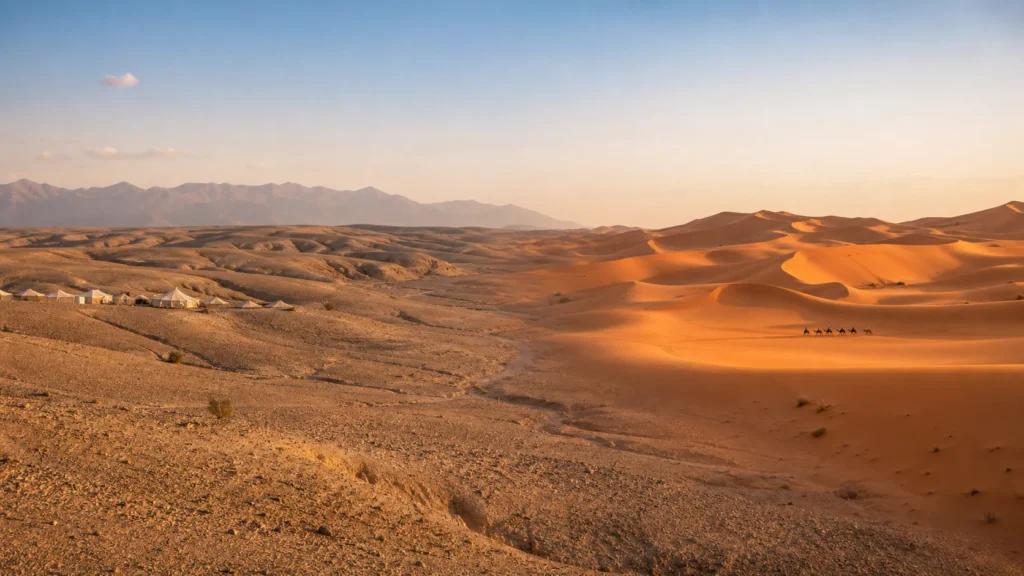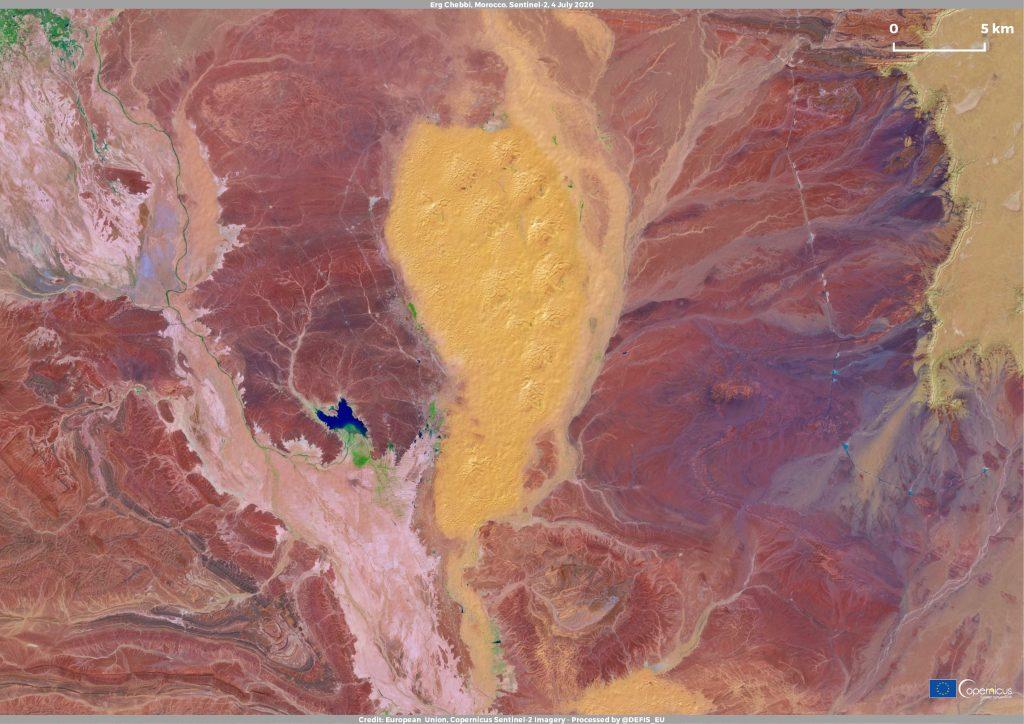
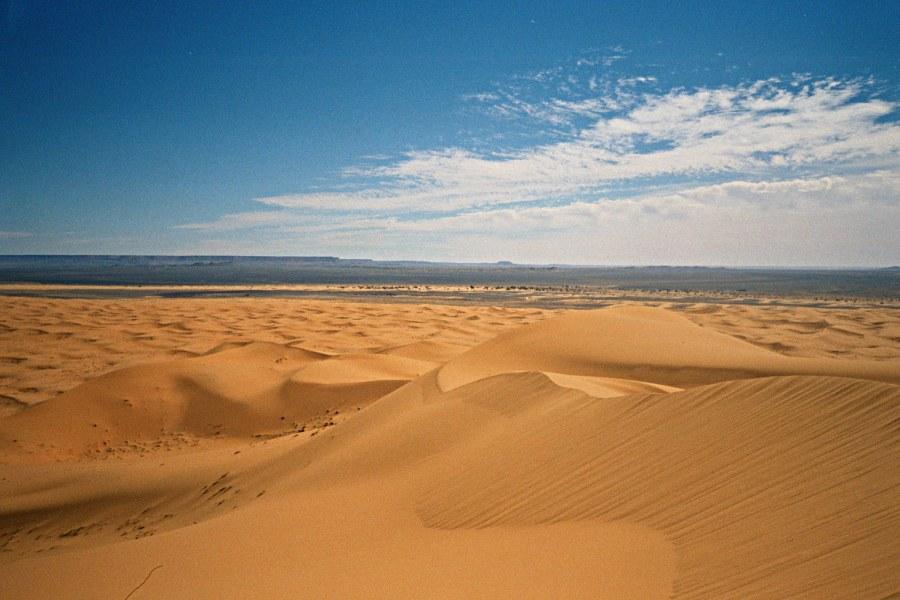
A Marrakech to Merzouga 3-day desert tour is worth it for travelers who want to see Morocco’s real Sahara dunes but have limited time. In three days, the classic route crosses the High Atlas Mountains, visits Ait Ben Haddou, continues through the Dades Valley and Todra Gorge, reaches the dunes of Erg Chebbi, and includes one night in a desert camp.
There is one important trade-off: this is an intense road trip, not a slow retreat. Marrakech and Merzouga are separated by more than 550 kilometers of mountain and desert roads. The complete return journey is roughly 1,100 to 1,200 kilometers, with a particularly long final day. A good operator makes the driving part of the experience through well-timed stops, a comfortable vehicle, safe pacing, and clear expectations.
This guide gives you the honest version of the route: what happens each day, how long you spend on the road, what should be included, and when a four-day itinerary would be the better choice.
Is a 3-Day Marrakech to Merzouga Tour Right for You?
Choose the three-day route if you have only a few days available, want tall golden dunes rather than a desert-style excursion near Marrakech, and are comfortable leaving early and spending several hours in the vehicle. It works especially well for active couples, friends, solo travelers joining a small group, and first-time visitors who see the Sahara as an essential part of their Morocco trip.
Consider a slower route if you travel with very young children, experience back or motion-sickness problems, want late mornings and long lunches, or hope to spend a full day exploring the desert. A private four-day tour adds meaningful breathing room; five or more days can connect Marrakech, Merzouga, and Fes without retracing the entire road.
The simplest decision rule is:
| Your priority | Best option |
|---|---|
| Real Sahara dunes in the minimum time | 3-day Merzouga tour |
| More stops and a less demanding return | 4-day Merzouga tour |
| A full day around Erg Chebbi | 4 or 5 days |
| Only one free day from Marrakech | Agafay day trip |
| Finish in Fes instead of returning to Marrakech | Marrakech-to-Fes desert route |
If the dunes are the main reason for your trip, our complete Merzouga and Erg Chebbi guide explains what makes this destination different from shorter desert-style excursions near Marrakech.
What Is the Classic 3-Day Route?
Most Marrakech to Merzouga itineraries use the same geographic corridor, although hotel locations and minor stops vary.
Day 1: Marrakech → Tizi n’Tichka Pass → Ait Ben Haddou → Ouarzazate → Dades Valley
Day 2: Dades or Tinghir → Todra Gorge → Erfoud → Merzouga → camel or 4×4 transfer → desert camp
Day 3: Merzouga → southern valleys and Atlas route → Marrakech
Expect approximately six to eight hours of travel on the first two days once scenic, meal, and cultural stops are included. The final return can take nine to eleven hours depending on traffic, weather, roadworks, and the exact route. These are planning ranges, not guaranteed transfer times.
The route is valuable because it is not just transport to the dunes. In three days you see the landscape change from Marrakech’s plain to high mountain passes, pre-Saharan earthen villages, rose-colored valleys, palm oases, rocky plateaus, and finally sand dunes. The Moroccan National Tourist Office describes Merzouga as a gateway to the Sahara and the territory of Erg Chebbi.
What Happens on Day 1 from Marrakech to Dades?
The day usually begins between 7:00 and 8:00. Soon after leaving Marrakech, the road starts climbing through the High Atlas Mountains toward the Tizi n’Tichka Pass. The distance does not look extreme on a map, but mountain bends, photo stops, and village traffic make this a full travel day.
The principal cultural stop is Ait Ben Haddou. It is a ksar—a group of earthen buildings protected by defensive walls—rather than a single kasbah. UNESCO lists Ait Ben Haddou as an outstanding example of traditional pre-Saharan architecture. A guided walk usually involves crossing the riverbed or bridge and climbing through narrow passages, so comfortable shoes are more useful than elegant ones.
After lunch, the road passes Ouarzazate and continues toward the Valley of Roses, Skoura, or the Dades area, depending on the itinerary. The first night should include a proper room, dinner, and breakfast. Ask for the name and location of the hotel before booking: “Dades hotel” can describe properties spread across a wide area, and location affects how early the next day begins.
For more context before the journey, see our detailed Ait Ben Haddou guide.
What Happens on Day 2 from Dades to Merzouga?
Day two is more varied and usually feels easier because the dunes are getting closer. Many itineraries pass the Dades landscape and stop at Todra Gorge, where high limestone walls narrow around the river. A short walk provides a welcome break from the vehicle, but three-day tours do not normally have time for a long hike.
The road then continues through towns such as Tinghir, Tinjdad, Erfoud, and Rissani. Fossil workshops and market visits may be offered. These can be interesting when they are optional and well explained; they should not become compulsory shopping stops that consume the afternoon.
Arrival at Merzouga is generally planned for late afternoon. At the edge of Erg Chebbi, you leave the main vehicle and reach camp by camel or 4×4. A camel trek often lasts around 45 to 90 minutes, depending on the camp and weather. Travelers who are pregnant, have limited mobility, or simply do not enjoy riding should be able to choose a 4×4 transfer without embarrassment or surprise fees.
At camp, the typical sequence is sunset, tea, dinner, music, stargazing, sleep, and an optional sunrise. Camp entertainment varies, and the desert is a living region rather than a stage set. If the itinerary includes music connected to Gnawa traditions, it is helpful to understand that UNESCO recognizes Gnawa as part of Morocco’s intangible cultural heritage, not merely as tourist entertainment.
Why Is Day 3 So Demanding?
After sunrise and breakfast, the route returns to Marrakech. This is the compromise that makes a three-day round trip possible: most of the final day is spent traveling. There are rest, meal, and photo stops, but little time for long visits.
When our team plans this route, we treat realistic return expectations as part of the service. A stated arrival time is always an estimate because Atlas weather, city traffic, and road conditions can change. Do not schedule a flight, an inflexible restaurant booking, or a separate airport transfer soon after the expected arrival. Keeping the evening free is the safer choice.
The quality of the driver and vehicle matters most on this day. Air conditioning, seat space, safe speed, regular breaks, and a driver who does not use a phone at the wheel are not luxury extras. They are fundamental parts of a long overland journey.
What Does a Good 3-Day Tour Include?
A transparent offer should identify the vehicle, whether the tour is private or shared, the first-night hotel, the desert camp, the meal plan, and the exact transfer into camp.
As a concrete example, our current 3-day Merzouga Desert Adventure from Marrakech starts from €220 per person as of July 2026. The displayed itinerary includes air-conditioned transport and fuel, a private English- or Spanish-speaking driver-guide, a Dades hotel with dinner and breakfast, a desert camp with a private bathroom, dinner and breakfast, a camel or 4×4 camp transfer, an Ait Ben Haddou local guide, sandboarding, and taxes. The final price depends on date, group size, availability, and selected options.
Typical exclusions on this route are lunches, drinks, optional entrance fees, tips, travel insurance, and personal purchases. On our current tour page, lunches are estimated at about €8–€12 and relevant entrance fees at about €2–€7. Check the live trip page and written quote before paying because prices and inclusions can change.
How Do Private and Shared Tours Compare?
A shared group tour costs less because travelers divide the vehicle and driver expense. It suits people who value price over flexibility and are comfortable with assigned accommodation, set meal stops, and a fixed timetable. Ask about the maximum group size: a “small group” should have a defined limit.
A private tour costs more but can offer much better value for two or more travelers. The route can adapt to your interests, the driver can stop when it is safe, and families can take breaks when needed. It also reduces the chance of losing time while collecting passengers from many hotels.
Private does not automatically mean premium. You should still verify vehicle type, room category, camp location, driver language, and cancellation terms. The word “luxury” is also inconsistent across desert camps, so request recent photographs and confirm whether the tent has its own toilet and shower.
What Should You Pack for Three Days?
Bring a small overnight bag instead of opening a large suitcase at every stop. Essential items include layers, sunglasses, sunscreen, a refillable water bottle, comfortable closed shoes, personal medication, a power bank, and cash in Moroccan dirhams for lunches and tips. Desert temperatures can change sharply after sunset, even when Marrakech feels warm.
Keep passport copies, valuables, and medication with you rather than in luggage stored on top of a vehicle. A light scarf helps with sun and wind; a heavy “desert costume” is unnecessary. In winter, pack a genuinely warm layer for camp. In summer, ask the operator how heat affects departure times and camel activities.
Our complete Sahara packing guide explains seasonal clothing, luggage, cameras, and camp essentials in more detail.
What Are the Common Booking Mistakes?
The first mistake is choosing only by the lowest headline price. Two tours with the same route may use different vehicles, accommodation, camp bathrooms, meal plans, and group sizes. Compare the complete offer, not just the name “3-day desert tour.”
The second mistake is assuming every desert camp sits deep inside untouched dunes. Camps operate in managed zones around Erg Chebbi, and transfers, facilities, and proximity to the road differ. Ask how the camp is reached and how long the camel experience actually lasts.
Other warning signs include:
- No hotel or camp name before payment
- Vague answers about private versus shared transport
- Mandatory shop visits described as cultural tours
- No written cancellation or change policy
- A guaranteed Marrakech return time presented as exact
- Pressure to pay quickly through an untraceable method
Good communication before booking is often the best predictor of support during the trip.
Frequently Asked Questions
Can I do Marrakech to Merzouga in two days?
Technically a vehicle can cover the distance, but a two-day return tour is not a sensible sightseeing itinerary. It would leave almost no time for the route or the desert. Three days should be considered the practical minimum from Marrakech.
Can the tour finish in Fes instead of Marrakech?
Yes. A Marrakech-to-Merzouga-to-Fes route avoids returning over the same corridor and works well in a northbound Morocco itinerary. It still involves long travel, but it is usually a more efficient use of distance than returning to Marrakech.
Do I have to ride a camel?
No. A responsible operator should offer a 4×4 transfer to camp. Confirm this before departure, especially if you have mobility, back, hip, or pregnancy-related concerns.
Is the route safe for solo travelers?
Many solo travelers take this route. Verify the operator, group arrangement, accommodation, emergency contact, and pickup details. Read our broader Sahara safety guide before traveling.
When is the best time to go?
Spring and autumn usually offer the most comfortable balance, while winter nights can be cold and summer afternoons extremely hot. Weather varies, so check the forecast and ask how the operator adapts the schedule. Our guide to the best time to visit the Moroccan Sahara compares every season.
Final Verdict: Is the 3-Day Tour Worth It?
Yes—the Marrakech to Merzouga 3-day desert tour is worth it when you want a real Erg Chebbi experience in the minimum practical time and accept the long return. It combines far more than a camp night: the High Atlas, Ait Ben Haddou, southern valleys, gorges, oasis towns, and the changing geography of Morocco are all part of the journey.
It is not the right route for everyone. Choose four days if comfort and unhurried exploration matter more than saving one day. Whichever option you select, insist on a clear itinerary, named accommodation, realistic timing, safe transport, and written inclusions.
Ready to compare the options? View our 3-day Merzouga route or tell us your dates, group size, and preferred pace through the private tour planner.