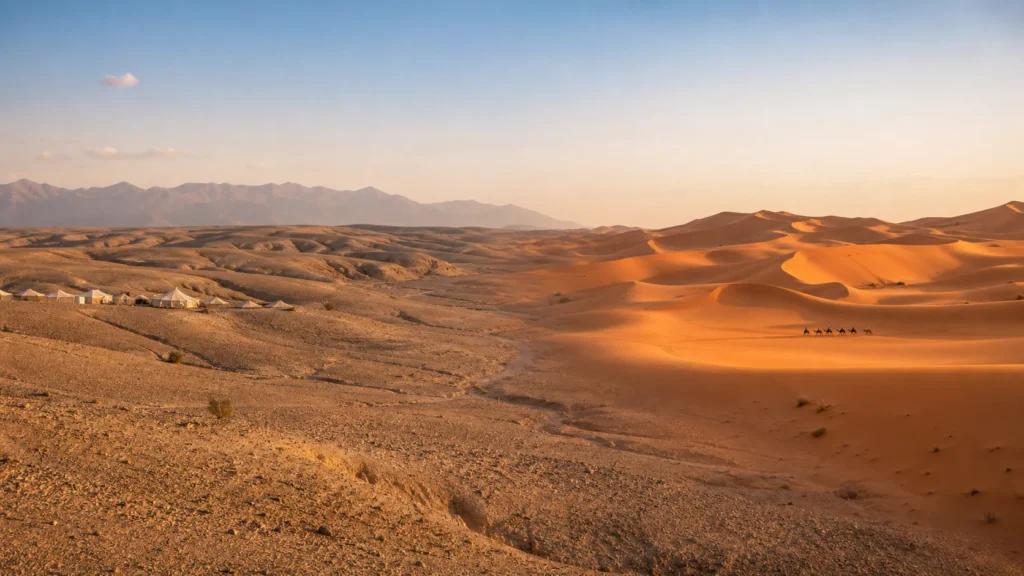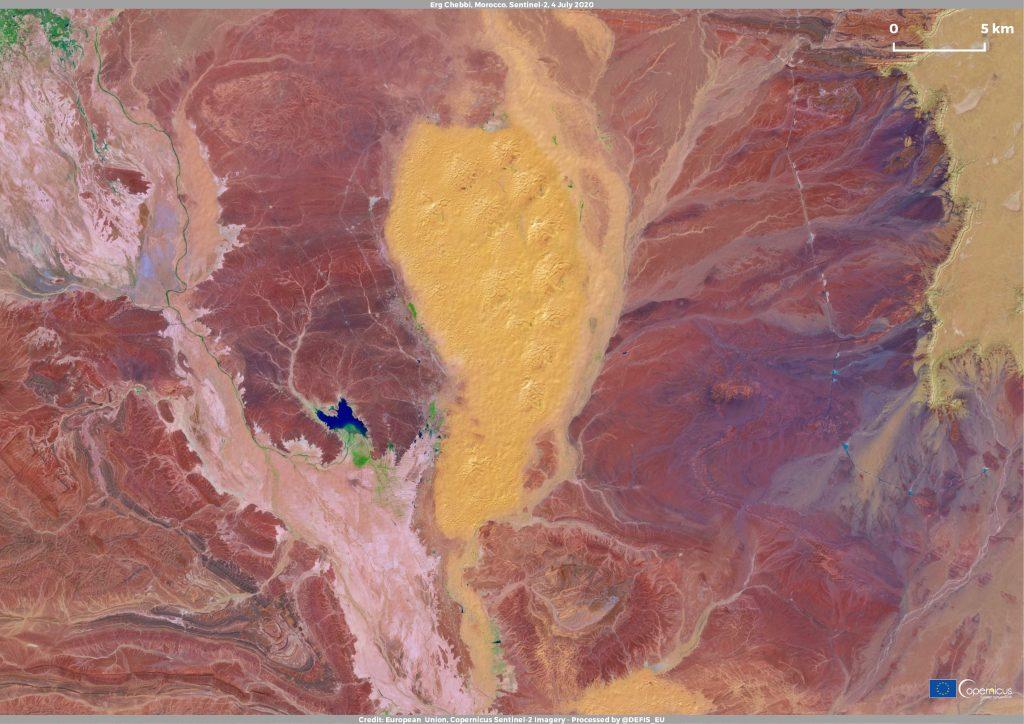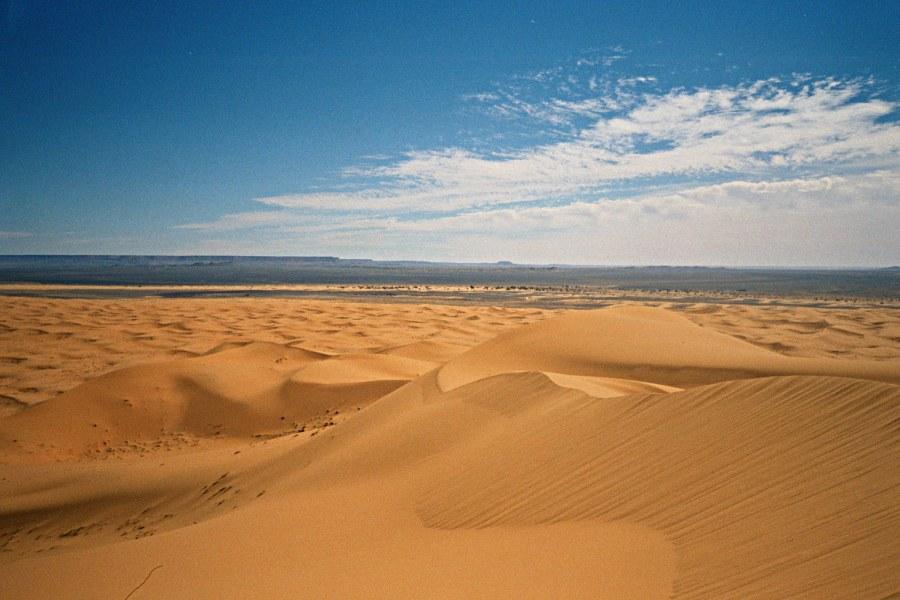
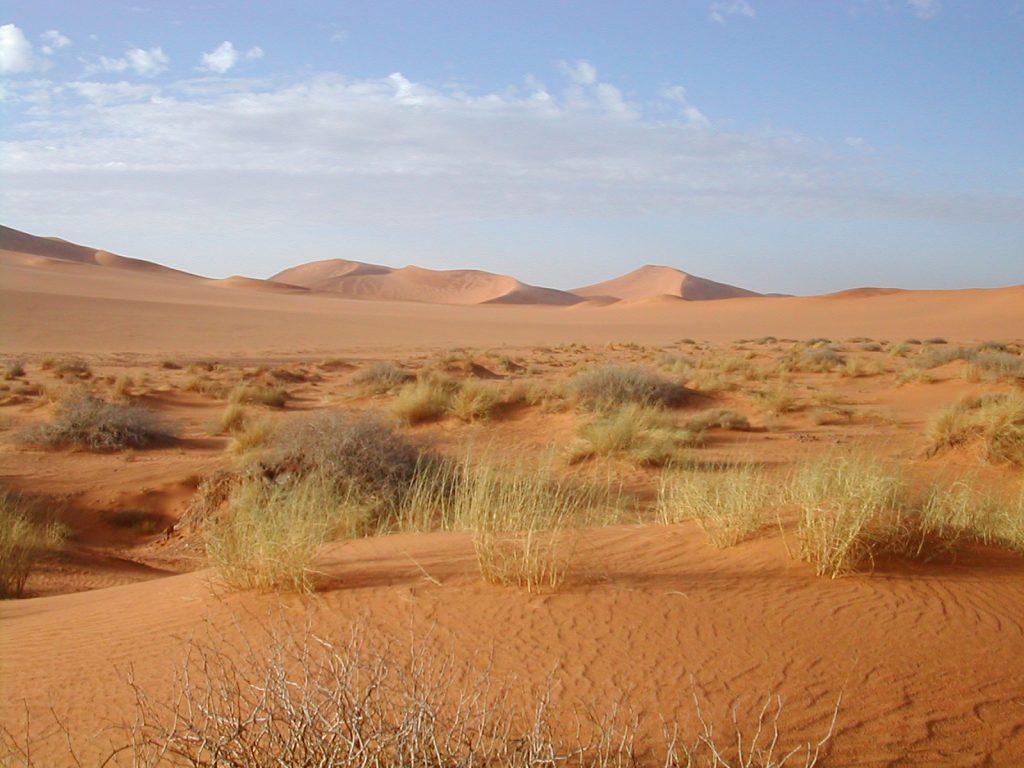
The Sahara Desert is a place of staggering beauty, but it is also one of the most extreme environments on Earth. Temperatures can swing from blistering heat during the day to near freezing at night. Water sources are scarce, navigation without landmarks is disorienting, and the wildlife, though rarely dangerous, demands respect. None of this should discourage you from visiting. Thousands of travelers explore the Moroccan Sahara every year without incident. The key is preparation.
This guide covers everything you need to know about staying safe during your Sahara adventure, from managing the desert heat and keeping hydrated to dealing with scorpions, preparing for sandstorms, and understanding why a guided tour is almost always the smartest choice.
Understanding the Desert Climate
Before you set foot on the sand, it helps to understand what makes the Sahara such a challenging environment. The desert is not simply hot. It is a place of extremes that can catch unprepared travelers off guard.
Temperature Extremes
During summer months (June through August), daytime temperatures in the Moroccan Sahara regularly exceed 45 degrees Celsius (113 degrees Fahrenheit). Even in the milder touring season from October through April, midday temperatures can reach 30 to 35 degrees Celsius. The real surprise for many visitors is how cold it gets after sunset. Winter nights in the Sahara can drop below 5 degrees Celsius, and even autumn evenings often dip into the low teens.
This dramatic temperature swing has practical implications. You need clothing that protects you from fierce sun during the day and layers that keep you warm at night. A common mistake is packing only for the heat and then shivering through the night at a desert camp.
UV Radiation
At the Sahara’s latitude and altitude, ultraviolet radiation is intense. The lack of cloud cover, combined with reflection off the sand, means you are exposed to UV rays from above and below. Sunburn can happen remarkably fast, even on overcast days. This is not a place to rely on a quick application of sunscreen in the morning and forget about it.
Humidity and Dryness
The Sahara is one of the driest places on Earth. Relative humidity regularly drops below 25 percent and can fall to single digits. This extreme dryness accelerates dehydration because you may not realize how much moisture you are losing through perspiration. Sweat evaporates almost instantly, giving you a false sense of comfort while your body steadily loses water.
Heat Safety and Sun Protection
Heat-related illness is the single most common health concern for Sahara travelers. Fortunately, it is also one of the most preventable.
Timing Your Activities
The most effective heat safety strategy is simply avoiding the worst of it. Experienced desert guides plan activities around the sun’s schedule. Camel treks and dune walks typically happen in the early morning or late afternoon, when temperatures are manageable and the light is beautiful for photography. Midday hours, roughly from 11 a.m. to 3 p.m., are reserved for resting in the shade.
When you book a guided Sahara tour, your itinerary will already reflect this rhythm. Guides who know the desert understand that pushing through the heat of the day is not just uncomfortable but genuinely risky.
Clothing Choices
Desert clothing should cover your skin while keeping you cool. This might seem contradictory, but loose-fitting, light-colored, long-sleeved garments actually keep you cooler than shorts and tank tops. They block direct sunlight, reduce UV exposure, and slow moisture loss from your skin.
Essential clothing items include a wide-brimmed hat or a tagelmust (the traditional Tuareg head wrap, which your guide can show you how to wear), sunglasses with UV protection, lightweight long trousers, a long-sleeved shirt in breathable fabric, and closed-toe shoes or boots for walking on hot sand and rocky terrain.
A cheche or scarf is indispensable. It protects your neck, can be wrapped around your face during wind, and doubles as a dust mask during sandstorms.
Sunscreen and Skin Care
Apply broad-spectrum SPF 50 sunscreen at least 30 minutes before sun exposure and reapply every two hours. Pay special attention to often-forgotten areas such as the tops of your ears, the back of your neck, your hands, and your lips (use an SPF lip balm). Bring more sunscreen than you think you need. The combination of sweat, sand, and wind wears it off faster than you expect.
After a day in the desert, your skin will be dry. A good moisturizer helps prevent cracking, especially on your hands and lips.
Hydration: The Most Critical Safety Factor
Dehydration is the number one risk in the desert, and it can escalate from mild discomfort to a medical emergency faster than most people realize.
How Much Water You Need
In the Sahara heat, your body can lose up to 1.5 liters of water per hour during physical activity. Even at rest in the shade, you will lose significantly more fluid than you would in a temperate climate. A good baseline is to drink at least 4 to 6 liters of water per day in the desert, and more if you are active.
Do not wait until you feel thirsty. Thirst is a lagging indicator. By the time you feel it, you are already mildly dehydrated. Instead, drink small amounts frequently throughout the day. A useful strategy is to take a few sips every 15 to 20 minutes.
Electrolyte Balance
Water alone is not enough. When you sweat, you lose electrolytes, primarily sodium, potassium, and magnesium. Drinking large amounts of plain water without replacing electrolytes can lead to hyponatremia, a potentially dangerous condition where blood sodium levels drop too low.
Pack oral rehydration salts or electrolyte tablets. These are lightweight, inexpensive, and can make a significant difference to how you feel. Alternatively, Moroccan mint tea, which is served with sugar and often a pinch of salt, is a surprisingly effective rehydration drink. Your guide will likely offer it throughout the trip.
Recognizing Dehydration
Early signs of dehydration include dark urine, headache, fatigue, dizziness, and reduced urine output. More advanced symptoms include confusion, rapid heartbeat, dry mouth, and cessation of sweating. If you or someone in your group stops sweating in the desert heat, this is a serious warning sign that requires immediate attention: move to shade, drink fluids with electrolytes, and cool the body with wet cloths.
Wildlife Awareness: Scorpions, Snakes, and Insects
The Sahara is not teeming with dangerous creatures, but a few residents deserve your respect and awareness.
Scorpions
Scorpions are the desert wildlife concern that travelers ask about most. Morocco is home to several scorpion species, including the fat-tailed scorpion (Androctonus mauritanicus), which carries medically significant venom. The good news is that scorpion encounters are rare when you follow basic precautions.
Always shake out your shoes before putting them on in the morning. This is the single most important habit to develop in the desert. Scorpions are nocturnal and seek shelter in dark, enclosed spaces during the day, and your shoes are an inviting hiding spot. Also shake out clothing and check your sleeping bag before climbing in.
Avoid walking barefoot at night, even inside your camp. Wear shoes or sturdy sandals if you need to move around after dark. If you see a scorpion, keep your distance and inform your guide. Do not attempt to handle or kill it.
Snakes
The Sahara hosts several snake species, including the horned viper and the sand boa. Encounters are uncommon because desert snakes are generally shy and avoid human activity. They are most active at dawn and dusk.
Watch where you step, especially around rocky outcrops and near bushes. Never reach into crevices or under rocks without looking first. If you see a snake, back away calmly. Snakes in the Sahara almost never pursue humans; they want to avoid you as much as you want to avoid them.
Insects and Spiders
Mosquitoes are rare in the deep desert but can be present near oases. Flies can be persistent during warmer months. A lightweight insect repellent provides comfort. Camel spiders, which look intimidating but are not actually dangerous to humans, occasionally appear in camps. They are fast-moving and can startle you, but they are not venomous and do not attack people.
Sandstorm Preparation
Sandstorms, ranging from mild dusty breezes to intense visibility-reducing events, are a reality of desert travel. They are most common in spring (March through May) but can occur at any time.
What a Sandstorm Feels Like
Minor sandstorms feel like standing in a strong, gritty wind. Sand gets everywhere: in your eyes, ears, nose, and any exposed skin. Severe sandstorms can reduce visibility to a few meters and create a disorienting whiteout effect. The sound of wind-driven sand is surprisingly loud.
How to Stay Safe
If a sandstorm catches you in the open, the most important thing is to protect your airways and eyes. Wrap your cheche or scarf around your nose and mouth. Put on your sunglasses or goggles. Turn your back to the wind if possible, and crouch or sit down to reduce your profile.
Do not try to walk or drive during a severe sandstorm. Visibility is too poor and the risk of getting lost is real. If you are with a guide, follow their instructions. Experienced desert guides can read the sky and often anticipate sandstorms before they arrive, giving you time to prepare.
Keep your electronics, especially cameras and phones, sealed inside zip-lock bags or a protective case during storms. Fine desert sand can destroy lenses and clog ports.
After the Storm
Once the storm passes, check your gear and shake out sand before it works its way into zippers and mechanisms. Rinse your eyes with clean water if they feel gritty. Drink extra water because sandstorms increase dehydration.
Solo Travel vs. Guided Tours
This is one of the most important safety decisions you will make regarding the Sahara.
The Case for Guided Tours
The Sahara is not a place for casual solo exploration. Even experienced desert travelers rarely venture into the dunes without a knowledgeable guide. The terrain is featureless, GPS signals can be unreliable, and the consequences of getting lost are severe. There are no trail markers, no cell signal in most areas, and no rescue services waiting around the corner.
A reputable guided tour provides safety through expertise. Your guide knows the terrain, understands weather patterns, carries communication equipment, and can handle medical situations. They know where water sources are, which routes are safe for camels and vehicles, and how to navigate if visibility drops.
When you explore available Sahara experiences, you will find that guided tours range from shared group excursions to fully private adventures, so there is an option that fits every preference and budget. You can also request a custom itinerary tailored to your specific needs, including any health or mobility considerations.
If You Insist on Independence
If you have desert experience and wish to explore independently, at minimum inform someone reliable of your planned route and expected return time. Carry a satellite communicator (such as a Garmin inReach or SPOT device), bring at least twice the water you think you need, and stay on established tracks. Never drive off-road into unfamiliar dune fields alone.
First Aid Essentials for the Desert
A well-stocked first aid kit is an essential piece of desert gear. Guided tours carry medical supplies, but having your own personal kit ensures you have what you need immediately.
What to Pack
Your desert first aid kit should include blister plasters and moleskin (foot blisters are common when walking in sand), adhesive bandages and wound closure strips, antiseptic wipes and antibiotic ointment, oral rehydration salts, pain relievers such as ibuprofen and paracetamol, antihistamine tablets for insect stings or allergic reactions, tweezers for splinters or thorns, a small flashlight or headlamp, any personal prescription medications in their original packaging, and a card listing your blood type, allergies, and emergency contacts.
Heat Exhaustion and Heat Stroke
Know the difference between heat exhaustion and heat stroke, because the response to each is different. Heat exhaustion presents with heavy sweating, weakness, cool and clammy skin, nausea, and a fast but weak pulse. Move the person to shade, apply cool cloths, and have them sip water with electrolytes. Most people recover with rest and rehydration.
Heat stroke is a medical emergency. The person stops sweating, their skin is hot and dry, they may be confused or unconscious, and their body temperature rises dangerously. Cool the person aggressively with wet cloths, fan them, and seek medical evacuation. Heat stroke can be fatal without treatment.
Bites and Stings
If someone is stung by a scorpion, remain calm. Most scorpion stings in Morocco, while painful, are not life-threatening for healthy adults. Clean the sting site, apply a cold compress if available, take pain relief, and monitor for severe symptoms such as difficulty breathing, muscle spasms, or unusual heart rate. Seek medical attention when possible, and if you can safely photograph the scorpion, it helps medical staff identify the species.
For snake bites, keep the affected limb immobilized and below heart level. Do not cut the wound, apply a tourniquet, or try to suck out venom. These outdated first aid measures do more harm than good. Keep the person calm and seek medical help as quickly as possible.
Navigating the Desert Safely
Even with a guide, understanding basic desert navigation principles adds a layer of confidence to your trip.
Natural Navigation Cues
Berber guides have navigated the Sahara for centuries using natural cues. The sun’s position gives a general sense of direction throughout the day. At night, the North Star (Polaris) provides a reliable northward reference. Wind patterns in the Erg Chebbi region tend to be consistent, and experienced guides use the orientation of dune ridges as directional markers.
Sand dunes are not random. They form patterns shaped by prevailing winds, and these patterns remain relatively consistent over time. Your guide reads these patterns the way you read a road map.
Modern Tools
If you carry a GPS device or smartphone with offline maps (download them before you leave cell coverage), keep it as a backup rather than a primary navigation tool. Batteries drain quickly in extreme heat and cold, and touchscreens can become unresponsive in sand and sun. A physical compass remains reliable regardless of battery life or temperature.
Traveling with Medical Conditions
If you have a pre-existing medical condition, the desert is not off-limits, but extra planning is necessary.
Travelers with diabetes need to monitor blood sugar more frequently in the heat and should carry medications in an insulated pouch. Heart conditions require caution with extreme heat; discuss your plans with your doctor before booking. Asthma sufferers should carry their inhaler accessible at all times, as sand and dust can trigger episodes.
When you get in touch with us to plan your trip, share any medical concerns with your tour operator. A good operator adjusts the itinerary to accommodate your needs, whether that means shorter trekking distances, vehicle support, or camps with easier access.
Children and Family Safety in the Desert
Families with children can absolutely enjoy the Sahara, but kids are more vulnerable to heat and dehydration than adults. Their smaller body mass means they heat up faster and need proportionally more fluids.
Keep children covered with lightweight clothing and hats. Apply sunscreen frequently and generously. Ensure they drink regularly, even if they say they are not thirsty. Shorter camel rides and more frequent shade breaks make the experience enjoyable rather than exhausting.
Many family-friendly tours include vehicle support so that younger children can ride in air-conditioned comfort when the heat or distance becomes too much. Check the available tour options to find itineraries designed with families in mind.
Communication and Emergency Planning
Connectivity
Cell phone coverage ends shortly after you leave the paved roads heading into the Erg Chebbi dunes. Do not rely on your phone for communication or navigation once you are in the desert. Some luxury camps offer limited Wi-Fi via satellite, but it is slow and unreliable.
Professional tour operators carry satellite phones or satellite communicators for emergencies. Before your trip, confirm that your operator has a reliable means of contacting emergency services from remote locations.
Emergency Contacts
Share your itinerary and expected return date with someone at home. Provide them with the contact details of your tour operator. In the unlikely event that something goes wrong, this information allows authorities to narrow the search area quickly.
The nearest medical facilities to the Erg Chebbi region are in Errachidia, roughly 120 kilometers away. For serious emergencies, evacuation to Marrakech or Casablanca may be necessary. Travel insurance that includes medical evacuation is strongly recommended for any Sahara trip.
Respecting the Environment
Safety in the desert is not only about protecting yourself. It is also about protecting the fragile ecosystem you are visiting.
Stay on established paths to avoid disturbing desert vegetation, which stabilizes sand and provides habitat for wildlife. Carry all waste out of the desert, including biodegradable items that take far longer to decompose in arid conditions than in temperate environments. Avoid collecting rocks, fossils, or plants as souvenirs.
Use biodegradable toiletries. Chemical sunscreens and soaps can contaminate the limited water sources that desert wildlife depends on.
Final Thoughts on Sahara Safety
The Sahara is a place that rewards preparation and respect. The risks are real but manageable, and the experience of watching the sun set over endless dunes, sleeping under a sky overflowing with stars, and sharing tea with Berber nomads is worth every ounce of planning.
Choose a reputable guide, pack sensibly, stay hydrated, protect yourself from the sun, and approach the desert with humility. Do these things, and your Sahara adventure will be everything you dreamed of and more.
Ready to plan your safe and unforgettable desert experience? Explore our Sahara tours or contact us to discuss your needs with our experienced team.