One of the most common questions we hear from travelers planning a Sahara desert tour is simple: when should I go? The answer depends on what matters most to you. Do you want the mildest temperatures? The fewest crowds? The lowest prices? Or perhaps you want to time your visit around a cultural festival or a celestial event?
The Moroccan Sahara is a year-round destination, but each season brings a dramatically different experience. Summer days can be scorching, winter nights can be surprisingly cold, and the shoulder seasons offer a sweet spot that many seasoned travelers swear by.
This month-by-month guide breaks down everything you need to know so you can choose the perfect time for your desert adventure.
Understanding the Sahara’s Climate
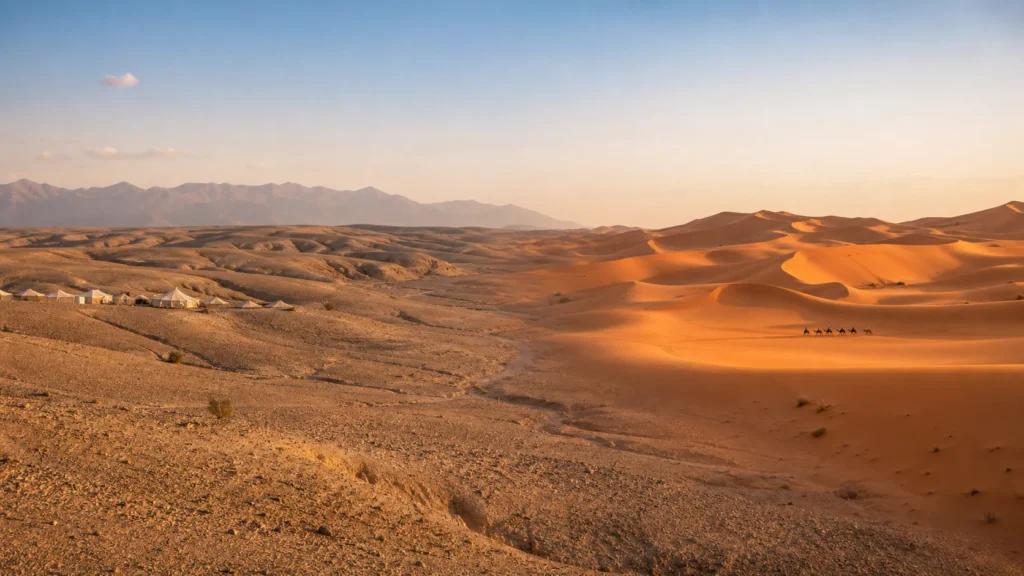
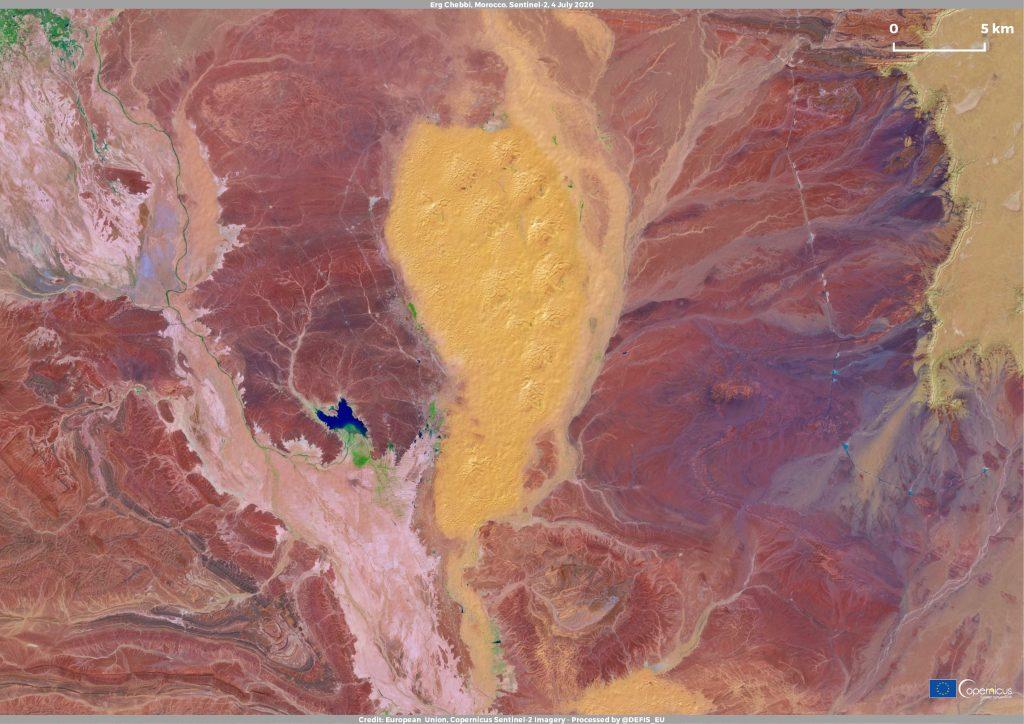
Before diving into the monthly breakdown, it helps to understand the basic climate patterns of the Moroccan Sahara, particularly around Merzouga and Erg Chebbi, the most visited desert region.
The Sahara has an arid desert climate with extreme temperature swings between day and night. This diurnal variation can be as much as 20 to 25 degrees Celsius in a single day. Rainfall is rare, averaging only about 50 to 100 millimeters per year, most of which falls between October and March in brief, intense bursts.
Humidity is generally very low, which means that even hot temperatures feel more tolerable than they would in a tropical climate. However, the dry air also accelerates dehydration, making water intake critically important regardless of the season.
Wind patterns vary throughout the year. Spring brings the sirocco (locally called chergui), a hot, dry wind from the southeast that can carry sand and reduce visibility. These sandstorms are usually short-lived but can affect travel plans.
Peak Season: October to April
The peak tourist season for the Moroccan Sahara runs from October through April. During these months, daytime temperatures are pleasant, ranging from the mid-teens to the low thirties (Celsius), and the nights are cool to cold. This is when the majority of tours operate, the widest range of accommodation is available, and the desert is at its most accessible.
If you are visiting during peak season, we recommend booking your desert tour in advance, as popular dates fill up quickly.
Month-by-Month Breakdown
January
Average High: 18-20 C | Average Low: 2-5 C | Crowds: Moderate | Prices: Mid-range
January is one of the coldest months in the Sahara, but that should not discourage you. Daytime temperatures are pleasantly warm under clear skies, perfect for camel trekking and dune exploration. However, nights can drop to near freezing, and you will need serious warm layers for sleeping in the desert.
Pros: Clear skies, excellent visibility for stargazing, comfortable daytime temperatures for hiking, fewer tourists than the autumn peak.
Cons: Very cold nights require warm sleeping gear, shorter daylight hours, occasional rain showers that can make pistes (dirt roads) temporarily impassable.
Best for: Stargazers, photographers seeking dramatic winter light, travelers who enjoy brisk conditions.
What to pack: Warm jacket, thermal base layers, wool hat and gloves for evenings, layers for daytime.
February
Average High: 20-22 C | Average Low: 4-7 C | Crowds: Moderate | Prices: Mid-range
February marks the beginning of a gradual warming trend. Days become noticeably milder, and the almond trees in the valleys leading to the desert begin to bloom, creating a beautiful contrast of pink blossoms against red earth.
Pros: Warming temperatures, beautiful valley scenery on the approach, good conditions for multi-day treks, fewer crowds than October or November.
Cons: Nights are still cold, occasional wind can pick up sand, slight possibility of rain.
Best for: Active travelers who want to combine desert and mountain experiences, couples seeking a quieter romantic getaway.
March
Average High: 24-26 C | Average Low: 8-11 C | Crowds: Moderate to High | Prices: Mid to High
March is the start of what many consider the ideal window for visiting the Sahara. Temperatures are warm but not hot, nights are cool but manageable, and the landscape can show traces of green from winter rains. This is also when some desert wildflowers make brief, spectacular appearances.
Pros: Near-perfect daytime temperatures, beautiful light for photography, increasing daylight hours, possible wildflower blooms.
Cons: Spring winds begin, possibility of sandstorms (usually brief), prices start to climb, busier than winter months.
Best for: First-time visitors, photographers, families with children.
April
Average High: 28-31 C | Average Low: 12-15 C | Crowds: High | Prices: High
April is one of the most popular months for Sahara desert tours, and for good reason. The weather is reliably warm and sunny, nights are comfortable, and the longer days give you more time for exploration. Easter holidays bring a surge of European visitors, so booking early is important.
Pros: Excellent weather, long days, reliable sunshine, comfortable nights for camping, wide range of tours available.
Cons: Peak tourist crowds, higher prices, early signs of increasing heat toward month’s end, spring winds still possible.
Best for: Travelers who want the best overall conditions and do not mind sharing the dunes with other groups.
Use our tour finder to check availability for April departures.
May
Average High: 33-36 C | Average Low: 17-20 C | Crowds: Moderate | Prices: Mid-range (dropping)
May is a transitional month. The first half often maintains the lovely conditions of April, while the second half starts to show the approaching summer heat. This makes early May an excellent time for budget-conscious travelers who want good weather without peak-season prices.
Pros: Crowds thin out significantly, prices drop, early May still has comfortable temperatures, longer daylight hours of the year.
Cons: Heat builds noticeably toward the end of the month, midday can be too hot for comfortable hiking, increased UV exposure.
Best for: Budget travelers, those who handle heat well, travelers seeking fewer crowds.
June
Average High: 38-42 C | Average Low: 22-25 C | Crowds: Low | Prices: Low
June marks the beginning of the hot season. Daytime temperatures regularly exceed 40 degrees Celsius, and the sand surface can become too hot to walk on barefoot. Most tours adjust their schedules, with activities concentrated in the early morning and late afternoon.
Pros: Very few tourists, lowest prices of the year, spectacular sunrises and sunsets, local life continues as normal.
Cons: Extreme heat limits daytime activities, physically demanding, some tours and camps may reduce operations, risk of heat-related illness if unprepared.
Best for: Heat-tolerant travelers on a tight budget, those seeking total solitude.
July
Average High: 42-46 C | Average Low: 25-28 C | Crowds: Very Low | Prices: Lowest
July is the hottest month in the Sahara. Temperatures can reach the mid-forties, and the sand surface temperature can exceed 70 degrees Celsius. This is the most challenging time to visit, and most operators significantly reduce their offerings.
Pros: Absolute solitude, rock-bottom prices, unique experience of the desert at its most extreme.
Cons: Dangerously hot, very limited tour options, most luxury camps close, physical risk from heat exposure, sand too hot for comfortable barefoot walking.
Best for: Experienced desert travelers with proper preparation, those with a specific reason to visit in summer.
August
Average High: 40-44 C | Average Low: 24-27 C | Crowds: Low | Prices: Low
August remains very hot, though slightly less extreme than July in most years. Interestingly, this is also the month when occasional summer thunderstorms can roll through, bringing brief but dramatic rainfall. These rare desert rains can transform the landscape overnight, filling dry riverbeds and coaxing dormant vegetation to life.
Pros: Chance of dramatic summer storms, slightly less extreme than July, low prices, solitude.
Cons: Still very hot, unpredictable weather can disrupt plans, limited operator availability.
Best for: Adventurous travelers who want a raw, unpolished desert experience.
September
Average High: 35-38 C | Average Low: 20-23 C | Crowds: Low to Moderate | Prices: Low to Mid
September is the beginning of the recovery from summer heat. Temperatures gradually become more manageable, especially in the second half of the month. This is an excellent time for travelers who want warm conditions without the extreme heat of summer, combined with the low-season pricing that persists into early autumn.
Pros: Temperatures dropping toward comfortable range, still low-season pricing in early September, crowds have not yet arrived, beautiful golden light.
Cons: First half can still be quite hot, some operators still in reduced summer mode, occasional late-summer storms.
Best for: Budget-savvy travelers who want to beat the autumn rush, photographers seeking warm golden light.
October
Average High: 28-31 C | Average Low: 14-17 C | Crowds: High | Prices: High
October is widely considered one of the two best months to visit the Sahara (along with April). The summer heat has broken, nights are cool and pleasant, and the desert takes on a particularly vivid golden color in the autumn light. This is when the tourist season kicks into high gear.
Pros: Ideal temperatures, beautiful light, all tours and camps fully operational, comfortable camping conditions, perfect for all activity types.
Cons: Peak crowds, highest prices, popular dates book out well in advance.
Best for: Anyone who wants the best possible conditions and is willing to pay peak-season prices.
Browse our full selection of autumn desert tours to secure your preferred dates.
November
Average High: 22-25 C | Average Low: 8-11 C | Crowds: High | Prices: High
November continues the excellent conditions of October, with slightly cooler temperatures. The days are warm and sunny, the nights are crisp and clear, and the desert atmosphere has a particular clarity that photographers love. This is also when some cultural events and local festivals take place.
Pros: Excellent weather, clear skies for stargazing, rich cultural calendar, comfortable for all activity types.
Cons: Nights getting cold, peak-season crowds and pricing, shorter daylight hours than autumn.
Best for: Culture-focused travelers, stargazers, those combining desert with city visits.
December
Average High: 18-20 C | Average Low: 3-6 C | Crowds: Moderate to High | Prices: High (holiday surcharge)
December brings the coldest temperatures and the holiday season. Christmas and New Year’s Eve in the Sahara is a magical and increasingly popular experience. Many camps offer special holiday programs with festive dinners, Berber music performances, and midnight celebrations under the stars.
Pros: Magical holiday atmosphere, excellent stargazing conditions, unique New Year’s experience, dramatic winter light.
Cons: Cold nights (near or below freezing), holiday surcharges on accommodations and tours, shorter days.
Best for: Holiday travelers, couples seeking a unique Christmas or New Year’s Eve, winter stargazers.
Special Events and Festivals
Timing your visit around a local event can add an unforgettable dimension to your desert trip.
Gnawa Music Festival (Essaouira)
Held in June, this world-renowned music festival celebrates the Gnawa musical tradition with roots in sub-Saharan Africa. While it takes place on the coast in Essaouira, many travelers combine it with a desert trip before or after.
Date Festival (Erfoud)
In October, the town of Erfoud, located near Merzouga, hosts an annual date harvest festival. It is a wonderful opportunity to experience local agriculture, taste dozens of date varieties, and witness traditional celebrations.
Moussem Festivals
Throughout the year, various moussem (religious festivals) take place across the region. These community gatherings feature music, dance, horse riding, and communal feasting. Dates vary by year and are often announced locally.
Ask us about upcoming events when you contact our team, and we can help you align your tour with local celebrations.
Astronomical Events Worth Planning Around
The Sahara’s dark skies make it one of the world’s premier stargazing destinations. Planning your visit around astronomical events can elevate your experience.
- Meteor showers: The Perseids (August) and Geminids (December) are particularly spectacular from the desert.
- Lunar cycles: Visit during a new moon for the darkest skies and best stargazing. A full moon illuminates the dunes beautifully but washes out fainter stars.
- Planet alignments: These vary by year but can create remarkable viewing opportunities in the Sahara’s clear skies.
Check our activities page for stargazing experiences and astronomy-focused desert nights.
Our Recommendation
If we had to pick one time window, we would say mid-October to mid-November offers the best overall combination of weather, atmosphere, and value. Temperatures are ideal for all activities, the light is beautiful, the skies are clear, and the desert is in its most photogenic state.
However, the “best” time truly depends on your priorities. Budget travelers should look at May or September. Those seeking solitude will find it in the summer months. Winter visitors will enjoy dramatic skies and brisk desert air. And holiday travelers will find magic in the December desert.
Whatever time you choose, the Sahara will leave its mark on you. Ready to find the perfect tour for your preferred dates? Use our tour finder or reach out to build a custom itinerary around your ideal travel window.
The dunes are waiting, and they look stunning in every season.