Packing for a Sahara Desert trip is fundamentally different from packing for a typical vacation. The desert environment presents unique challenges: extreme temperature swings between day and night, relentless sun exposure, pervasive fine sand that infiltrates everything, and limited access to shops or supplies once you leave the last town behind. Getting your packing right can make the difference between a comfortable, enjoyable adventure and a trip spent wishing you had brought that one critical item.
This comprehensive checklist is based on years of experience guiding travelers through Morocco’s Erg Chebbi dunes and the broader Sahara region. Whether you are joining a multi-day desert tour or planning a custom itinerary, this guide covers everything you need, organized by category and season, along with the common packing mistakes that catch first-time desert visitors off guard.
Understanding the Desert Environment
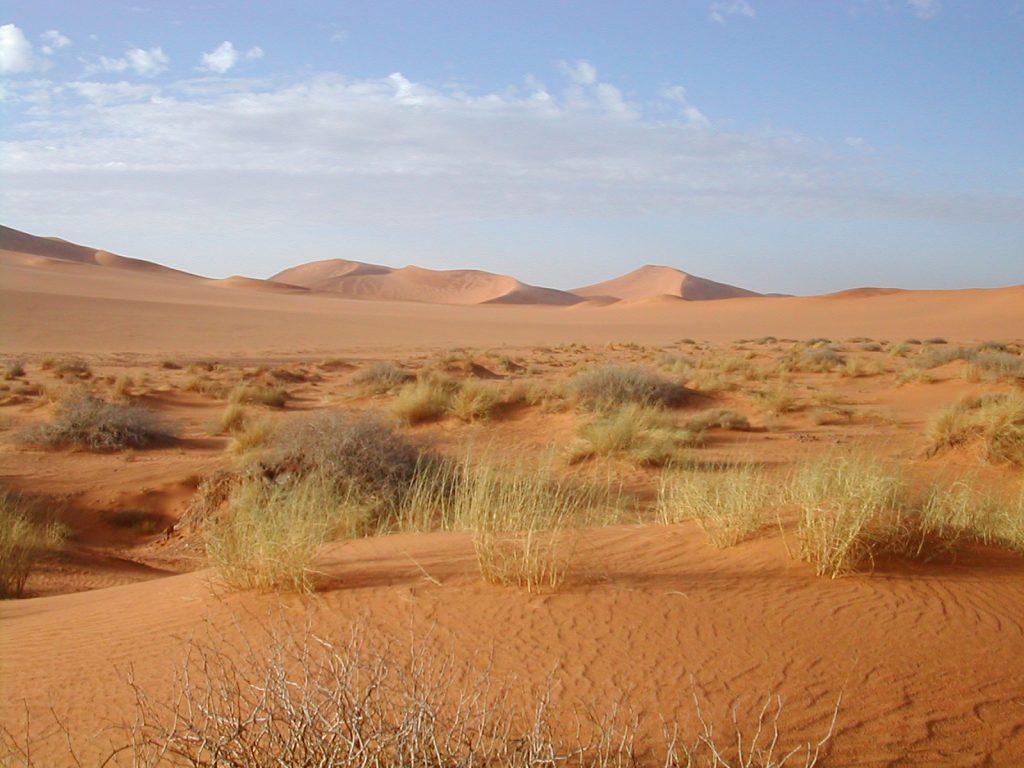
Before diving into the checklist, it helps to understand what you are packing for. The Sahara Desert near Merzouga and Erg Chebbi is characterized by:
- Extreme temperature range: Summer days can reach 45 degrees Celsius or higher, while winter nights can drop below 5 degrees Celsius. Even in moderate seasons, a 20-degree swing between afternoon and midnight is common.
- Intense sun exposure: The desert offers virtually no natural shade. UV radiation is strong, reflected off the sand from multiple angles, and the dry air does not filter sunlight the way humid atmospheres do.
- Pervasive sand: Saharan sand is extraordinarily fine, almost like powder. It gets into zippers, electronics, camera lenses, shoes, and clothing seams. Planning for this is essential.
- Low humidity: The dry air causes rapid dehydration, chapped lips, dry skin, and irritated nasal passages. Your body loses moisture faster than you realize, especially during physical activity.
- Limited infrastructure: Once you leave towns like Merzouga or Rissani, there are no shops, pharmacies, or equipment stores. Anything you forget, you do without.
Day Pack vs. Main Bag Strategy
Most Sahara desert tours involve transferring from a vehicle to camel or walking for the final stretch into the dunes. Your main luggage typically stays at the base camp, riad, or vehicle, while you carry a smaller day pack into the dunes for the overnight portion.
Main Bag (Stays at Base or Vehicle)
Your main bag holds everything you need for the full trip, including the portions spent in towns and on the road. A soft-sided duffel bag or backpack works better than a hard-shell suitcase, as it is easier to load onto vehicles and more forgiving in tight spaces.
Day Pack (Comes with You into the Dunes)
A day pack of 20 to 30 liters should hold everything you need for one to two nights in the desert camp. This includes:
- Change of clothes for sleeping
- Warm layer for the evening
- Toiletries and medications
- Camera and phone
- Headlamp
- Water bottle
- Sunscreen and lip balm
- Any personal items you cannot be without
Pack your day pack inside a large zip-lock bag or dry bag to keep sand out during the camel ride or trek.
Clothing: What to Wear by Season
Year-Round Desert Clothing Principles
Regardless of when you visit, certain clothing principles apply throughout the year:
- Loose-fitting, breathable fabrics: Tight clothing traps heat and causes chafing. Loose layers allow airflow and provide better insulation.
- Light colors: White, beige, khaki, and light blue reflect sunlight rather than absorbing it. Avoid black or dark colors for daytime layers.
- Long sleeves and long pants: Counterintuitive as it may seem, covering your skin protects against sunburn, sand abrasion, and insect bites far better than exposing it. Observe the local Berber and Tuareg people, who are fully covered even in the hottest months.
- Natural fibers or moisture-wicking synthetics: Cotton breathes well but dries slowly if wet. Merino wool is excellent for temperature regulation across hot days and cool nights. Synthetic moisture-wicking fabrics work well for active portions of the trip.
Spring (March to May) Packing
Spring is one of the most popular times to visit the Sahara, with daytime temperatures typically between 25 and 35 degrees Celsius and nighttime lows around 10 to 18 degrees.
- 2 to 3 lightweight long-sleeve shirts
- 2 pairs of lightweight long pants or convertible pants
- 1 medium-weight fleece or softshell jacket for evenings
- 1 light scarf or shemagh (desert headscarf)
- Comfortable walking shoes or hiking sandals with heel straps
- 1 pair of warm socks for sleeping
Summer (June to August) Packing
Summer is the hottest period, with daytime temperatures regularly exceeding 40 degrees Celsius. Nights remain warm at 20 to 28 degrees.
- 2 to 3 ultra-lightweight, loose-fitting long-sleeve shirts (linen is ideal)
- 2 pairs of lightweight, breathable pants
- 1 light layer for air-conditioned vehicles or unexpected cool breezes
- Wide-brimmed hat or shemagh (essential, not optional)
- Breathable footwear that protects against hot sand
- Extra water capacity (more than other seasons)
Autumn (September to November) Packing
Autumn offers similar conditions to spring, with slightly warmer nights early in the season cooling toward November.
- Similar to spring list
- Add a warmer mid-layer (light down jacket or heavier fleece) for late October and November evenings
- Wind-resistant outer layer for potential sandstorms
Winter (December to February) Packing
Winter brings cool to cold conditions, especially at night, when temperatures can drop below 5 degrees Celsius. Daytime is pleasantly warm at 15 to 22 degrees.
- 2 to 3 layerable long-sleeve shirts (base layer, mid-layer capability)
- 1 warm fleece or down jacket
- 1 pair of warm pants or thermal leggings for sleeping
- Warm hat and gloves for nighttime and early morning
- Scarf or neck gaiter
- Closed-toe shoes with warm socks
- Sleeping bag liner (some tours provide blankets, but a personal liner adds warmth and hygiene)
Sun Protection Essentials
Sun protection in the Sahara is not about comfort; it is about safety. The combination of high UV index, reflective sand, high altitude, and dry air that provides no moisture barrier creates conditions where severe sunburn can occur within 30 minutes of unprotected exposure.
Must-Pack Sun Protection Items
- Broad-spectrum sunscreen SPF 50+: Apply generously to all exposed skin, including ears, neck, backs of hands, and tops of feet if wearing sandals. Reapply every two hours and after sweating. Bring at least 100ml per person for a three-day trip.
- Lip balm with SPF 30+: Your lips will crack and burn quickly in the desert without protection. Bring two; they are small and easy to lose.
- UV-blocking sunglasses: Category 3 or 4 lenses with wrap-around frames to block peripheral light and sand. The glare off the sand is intense and can cause serious eye strain. If you wear prescription glasses, consider clip-on sun lenses or prescription sunglasses.
- Wide-brimmed hat or shemagh: A hat with at least a 7cm brim protects your face, ears, and neck. A shemagh (the traditional desert headscarf) is even better, as it also protects against sand and can be worn in multiple configurations. Your Berber guides will teach you how to wrap one.
- Lightweight, UV-protective long-sleeve shirt: Some outdoor brands offer shirts with UPF 50+ fabric, which provides reliable sun protection even without sunscreen underneath.
Electronics and Photography Gear
Essential Electronics
- Smartphone: For navigation apps, translation, photography, and communication. Download offline maps (Google Maps or Maps.me) before leaving cell coverage.
- Power bank (10,000mAh minimum): Desert camps may not have charging facilities. A fully charged power bank ensures your phone and headlamp last the duration.
- Headlamp with red-light mode: Far more practical than a handheld flashlight, a headlamp keeps your hands free for eating, setting up your sleeping area, or navigating the camp at night. The red-light mode preserves night vision for stargazing.
- Universal power adapter: Morocco uses Type C and Type E electrical outlets (European two-pin). Bring an adapter if your devices use a different plug type.
Camera Gear
- Camera with manual controls: A DSLR, mirrorless camera, or even a high-end smartphone will capture stunning desert landscapes and night skies.
- Wide-angle lens: For sweeping dune panoramas and Milky Way photography.
- Tripod: Essential for astrophotography and golden-hour long exposures.
- Extra batteries and memory cards: Cold nights drain batteries faster. Carry at least one spare battery and more storage than you think you need.
- Lens cleaning kit: Sand will find your lens. A blower brush and microfiber cloths are essential.
- Zip-lock bags: Store your camera in a sealed bag when not in use to protect against sand and dust. This is the single most effective protection for your gear.
Protecting Electronics from Sand
Sand is the enemy of electronics in the Sahara. Here are practical strategies:
- Seal everything in zip-lock bags when not actively using it.
- Never change camera lenses in the wind. Wait for calm conditions or shield your camera with your body.
- Keep phones in a zip-lock bag. Most touchscreens work through a thin plastic bag.
- Blow sand off devices before opening ports for charging.
- Do not place electronics directly on the sand. Use a cloth, bag, or your lap.
Medications and Health Items
First Aid and Health Essentials
- Prescription medications: Bring more than enough for the entire trip, plus extra days in case of delays. Keep them in their original labeled containers.
- Oral rehydration salts: Dehydration is the most common health issue in the desert. ORS packets dissolve in water and replace essential electrolytes far more effectively than water alone.
- Pain relievers: Ibuprofen or paracetamol for headaches (often caused by sun exposure or mild dehydration).
- Antihistamines: For allergic reactions to insect bites, dust, or unfamiliar foods.
- Anti-diarrhea medication: Adjusting to new foods and water can cause stomach issues. Loperamide (Imodium) provides quick relief.
- Blister plasters and adhesive bandages: Walking in sand, especially in new shoes, can cause blisters quickly.
- Insect repellent: DEET-based repellent for use around oases or camps where mosquitoes may be present.
- Eye drops: The dry, dusty air can irritate eyes significantly. Lubricating eye drops provide relief.
- Nasal saline spray: Helps counteract the drying effect of desert air on nasal passages.
- Moisturizer: A rich, unscented moisturizer for hands, face, and body. The desert air will dry your skin rapidly.
- Wet wipes or biodegradable cleansing wipes: Water for washing is limited in desert camps. Wipes serve as your primary hygiene tool for hands and face.
Personal Hygiene
- Toothbrush and toothpaste (travel size)
- Deodorant
- Small hand towel (quick-dry microfiber is ideal)
- Toilet paper or tissues: Carry a small supply in your day pack at all times. Desert camp facilities may not provide it.
- Hand sanitizer: Essential when water for handwashing is limited.
- Feminine hygiene products: Bring your own supply; these are not available in the desert.
Hydration Strategy
Staying hydrated is the most critical aspect of desert health. You will lose moisture through sweat, breathing, and simple evaporation faster than your thirst instinct can keep up. By the time you feel thirsty, you are already mildly dehydrated.
- Reusable water bottle (1 to 1.5 liters): A durable, sealable bottle you can refill at camp. Insulated bottles keep water cooler longer in the heat.
- Water purification tablets or filter (optional): Most tour operators provide safe drinking water, but having backup purification gives peace of mind.
- Aim for 3 to 4 liters per day: In summer, you may need even more. Drink consistently throughout the day rather than large amounts at once.
- Avoid alcohol and excessive caffeine: Both are diuretics that accelerate dehydration.
Footwear
Footwear for the Sahara requires careful thought. You will encounter soft sand, hard-packed terrain, rocky ground, and potentially hot surfaces.
- Comfortable closed-toe walking shoes or light hiking boots: Your primary footwear for trekking and exploring. Should be well broken-in before the trip to prevent blisters.
- Sandals with secure heel straps: Useful for around camp and for wading through shallow sand where shoes fill up. Flip-flops without heel straps are impractical in sand and should be avoided.
- Gaiters (optional): Lightweight ankle gaiters keep sand out of your shoes during dune treks. A simple and effective solution to a persistent annoyance.
- An extra pair of socks: Socks will accumulate sand. Having a fresh pair for sleeping is a small luxury that makes a big difference in comfort.
What NOT to Pack
Knowing what to leave behind is just as important as knowing what to bring. These items are commonly packed by first-time desert visitors and prove to be either useless or counterproductive.
- Rolling suitcases: Wheels do not function on sand, gravel, or uneven terrain. Use a soft duffel or backpack.
- Excessive clothing: You do not need a different outfit for every day. Two to three sets of versatile clothing are sufficient, and laundry can be done in towns between desert segments.
- Hairdryers, straighteners, and bulky grooming electronics: There is no power in the desert, and these items add unnecessary weight.
- Expensive jewelry and valuables: Leave them at home or in a hotel safe. Sand, sweat, and outdoor living are not kind to delicate items.
- High heels or impractical shoes: This may seem obvious, but it happens more often than you might expect.
- Heavy books: If you want reading material, use an e-reader or lightweight paperback. A single novel weighs far less than three.
- White towels from your hotel: Bring a dark-colored quick-dry towel. Sand and desert dust will permanently stain white towels.
- Too much water: While hydration is essential, your tour operator provides water. Carrying 10 liters in your day pack is unnecessary and exhausting. Confirm water provisions with your tour provider before packing excess.
Packing for Specific Activities
Camel Trekking
If your tour includes camel trekking, pack your day bag with easy access to water, sunscreen, and your camera. Wear long pants to protect your legs from the saddle, and consider lightweight gloves to prevent rope burn from the camel lead. A small cushion or folded scarf on the saddle can improve comfort significantly on longer rides.
Desert Camping
For overnight stays in a desert camp, your day pack should include warm layers for the evening, a headlamp, toiletries, medications, and your camera gear for sunrise and sunset photography. If you sleep lightly, earplugs can help with unfamiliar nighttime sounds, and a sleeping bag liner adds warmth and hygiene to camp bedding.
Sandboarding and Dune Activities
If you plan to try sandboarding or other active dune sports, wear clothing you do not mind getting thoroughly sandy. Secure all loose items, especially phones and glasses, with lanyards or secure pockets. Goggles or wrap-around sunglasses protect against wind-blown sand during descents.
Final Packing Checklist Summary
Clothing
- 2 to 3 lightweight long-sleeve shirts
- 2 pairs lightweight long pants
- Warm mid-layer (fleece or down jacket, season dependent)
- Wind-resistant outer layer
- Underwear and socks (quick-dry preferred)
- Sleepwear / warm base layer for cold nights
- Scarf or shemagh
Sun Protection
- Sunscreen SPF 50+
- Lip balm with SPF
- UV-blocking sunglasses
- Wide-brimmed hat
Footwear
- Comfortable walking shoes (broken-in)
- Secure sandals
- Extra socks
Electronics
- Smartphone with offline maps
- Power bank (10,000mAh+)
- Headlamp with red-light mode
- Camera, lenses, tripod, extra batteries
- Universal power adapter
- Zip-lock bags for sand protection
Health and Hygiene
- Prescription medications
- Oral rehydration salts
- Pain relievers, antihistamines, anti-diarrhea tablets
- Insect repellent
- Sunburn relief (aloe vera gel)
- Eye drops and nasal saline spray
- Moisturizer
- Wet wipes, hand sanitizer
- Toothbrush, toothpaste, deodorant
- Toilet paper or tissues
- Quick-dry towel
- Feminine hygiene products (if needed)
Hydration
- Reusable water bottle (1 to 1.5 liters)
- Water purification tablets (optional)
Miscellaneous
- Day pack (20 to 30 liters)
- Earplugs
- Sleeping bag liner (winter trips)
- Small notebook and pen
- Zip-lock bags (multiple sizes)
- Small amount of cash (Moroccan dirhams) for tips and small purchases
Plan Ahead for the Best Experience
The key to a well-packed desert trip is planning ahead and communicating with your tour provider. Every Duna Daurada tour includes detailed pre-departure information about what is provided at camp (bedding, meals, water) and what you need to bring yourself. If you have questions about specific gear or conditions during your travel dates, our team is always happy to help. Reach out to us before your trip, and we will make sure you arrive fully prepared for your Sahara adventure.
Use the Find Your Tour tool to explore our available departures and start planning your perfectly packed desert experience.