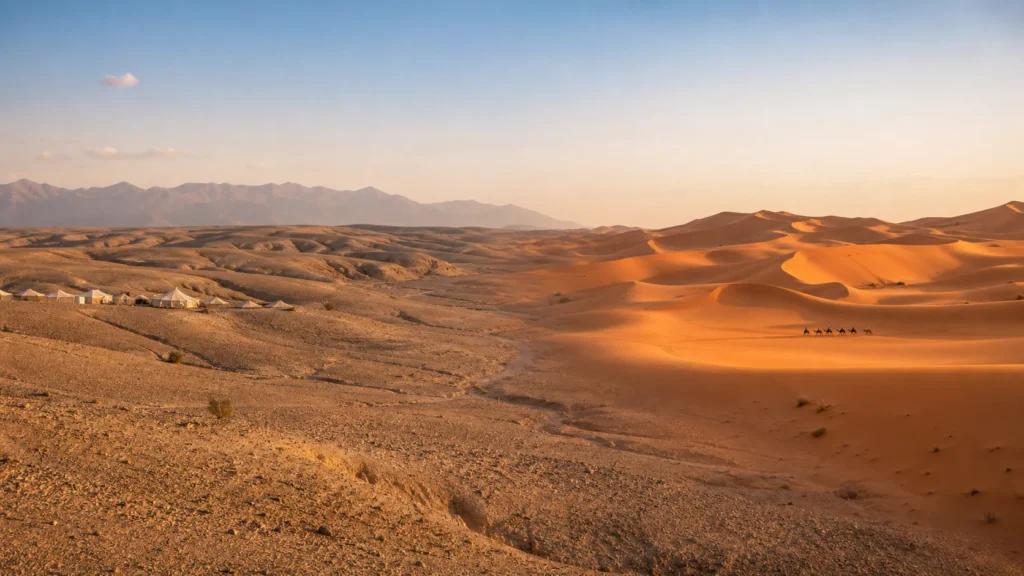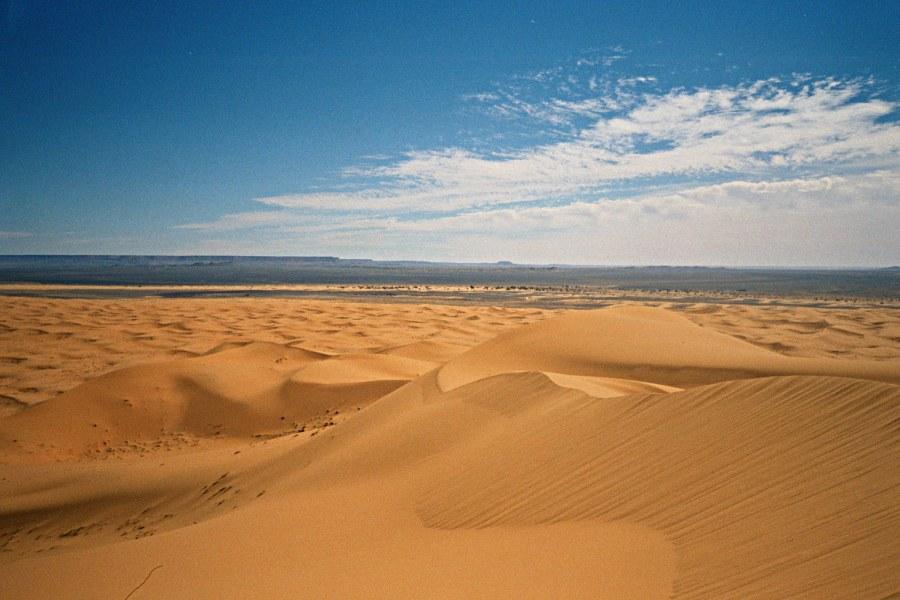
When most travelers picture the Sahara Desert, they imagine endless golden dunes and vast emptiness. But the Moroccan Sahara is teeming with life. Over millions of years, a remarkable cast of animals has evolved to thrive in extreme heat, scarce water, and shifting sands.
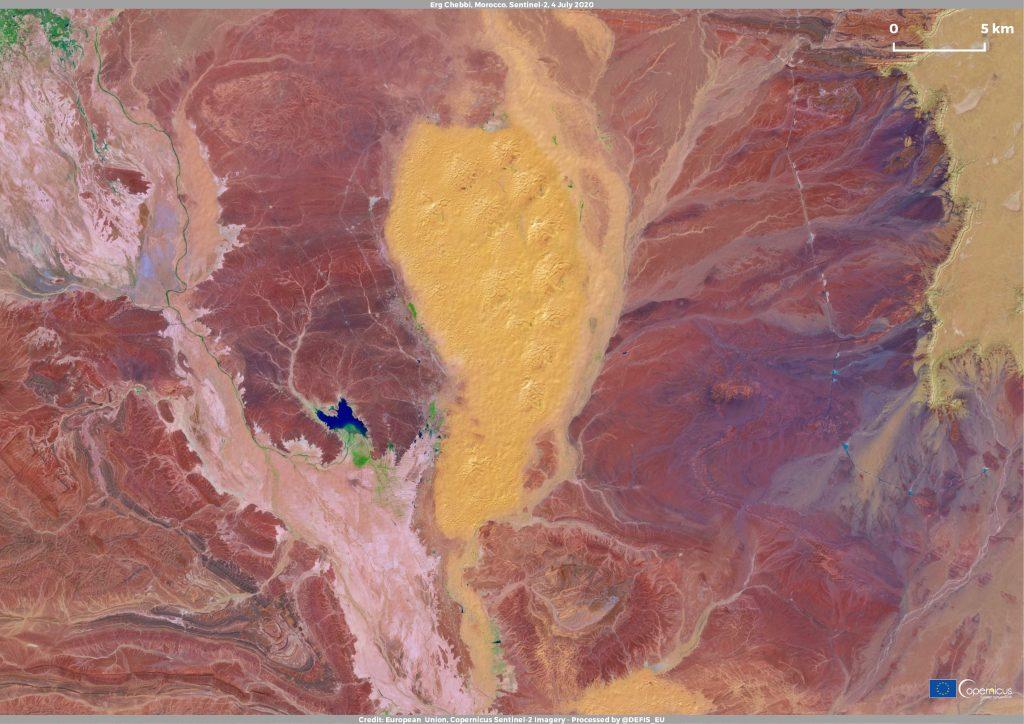
During our desert tours from Merzouga into the Erg Chebbi dunes, our guests are often surprised by the wildlife they encounter. Here are 10 fascinating animals you might spot on your next Sahara adventure with Duna Daurada.
1. The Dromedary Camel — The Ship of the Desert
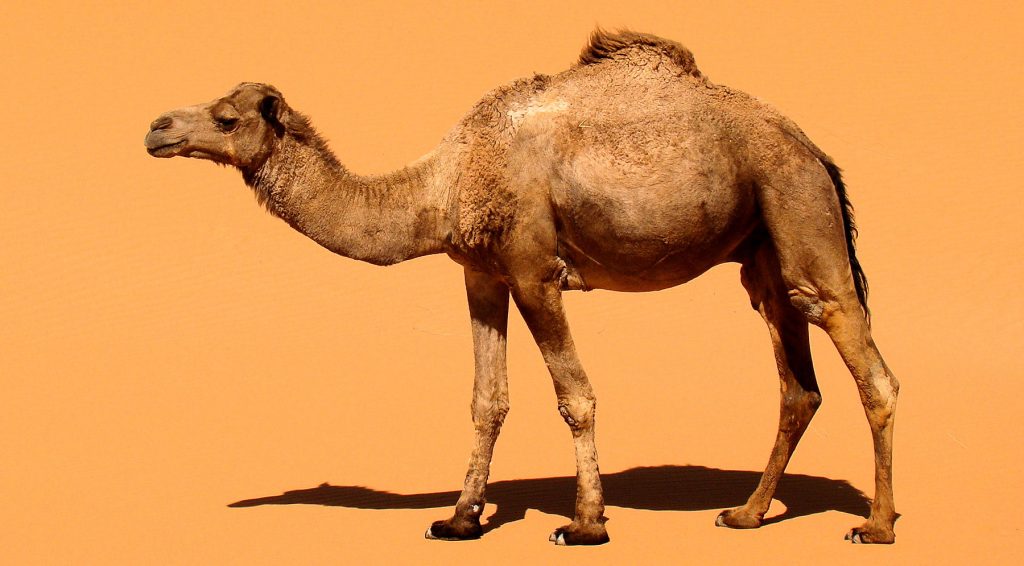
No Sahara experience is complete without meeting the dromedary, the single-humped camel that has been the backbone of desert travel for thousands of years. These incredible animals can drink up to 100 liters of water in just 10 minutes and survive for weeks without drinking at all. Their wide, padded feet act like natural snowshoes on the sand, preventing them from sinking into the dunes.
The dromedary has been domesticated for roughly 4,000 years, and its role in Saharan trade routes connecting sub-Saharan Africa to the Mediterranean coast shaped the history of an entire continent. Today, these gentle giants remain central to Berber culture and desert tourism alike. Locals treat their camels as family members, knowing each animal by name and temperament.
On our camel trekking experiences, you will ride these gentle giants across the Erg Chebbi dunes at sunset — an experience that connects you directly to centuries of Saharan tradition.
2. The Fennec Fox — The Sahara’s Most Adorable Resident
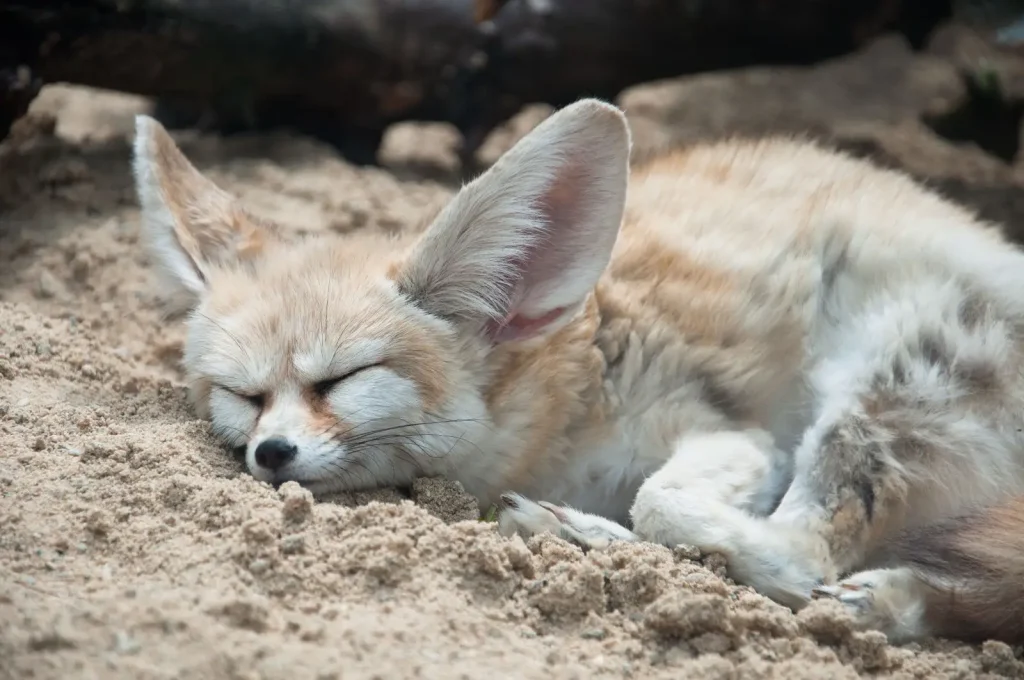
The fennec fox is the smallest fox species in the world, but its enormous ears — which can grow up to 15 centimeters — make it unmistakable. These oversized ears serve a dual purpose: they dissipate heat and provide exceptional hearing to detect prey moving underground. Their thick, cream-colored fur insulates them from both the scorching daytime heat and the freezing desert nights.
Fennec foxes live in small family groups and dig elaborate burrow systems in the sand that can extend up to 10 meters in length. They are omnivores, feeding on insects, small rodents, birds, eggs, and even roots and fruits when available. Their kidneys are specially adapted to restrict water loss, allowing them to go extended periods without drinking.
Fennec foxes are nocturnal, so your best chance of spotting one is during an overnight bivouac camp in the dunes. Listen for their distinctive high-pitched barks after dark — they are more common around Merzouga than many visitors realize.
3. The Desert Hedgehog — A Tiny Survivor
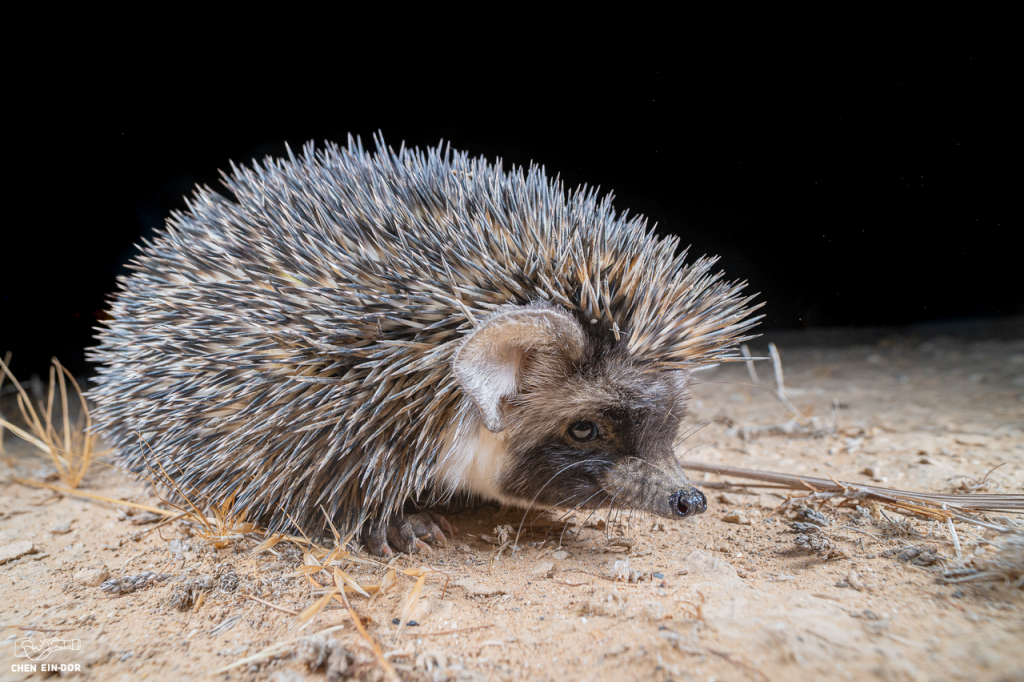
The desert hedgehog is one of the smallest hedgehog species and is perfectly adapted to arid life. It can survive long periods without food or water by entering a state of torpor when resources are scarce. These shy creatures forage at night for insects, scorpions, and small snakes. Remarkably, they appear to be partially resistant to certain snake and scorpion venoms, making them effective predators of creatures that most other animals avoid entirely.
Their spines provide excellent defense, and when threatened they curl into a tight ball that even determined predators struggle to breach. During the cooler months from October to March, desert hedgehogs are at their most active, and spring tours offer the best chances of finding their tiny tracks in the sand around the oasis areas near Merzouga.
4. The Addax — The Ghost of the Dunes
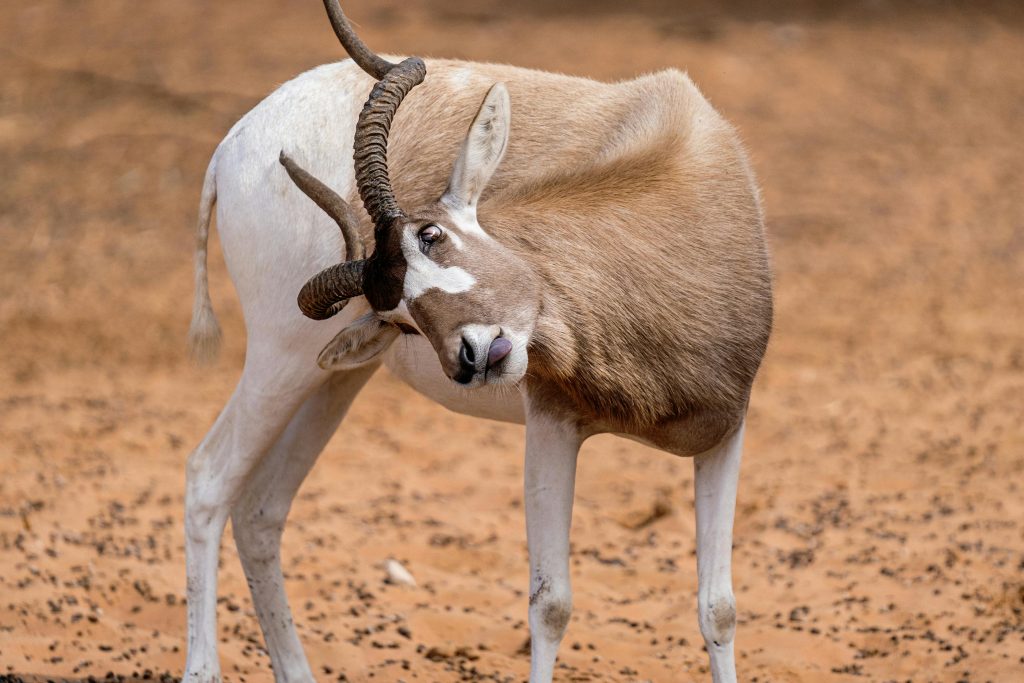
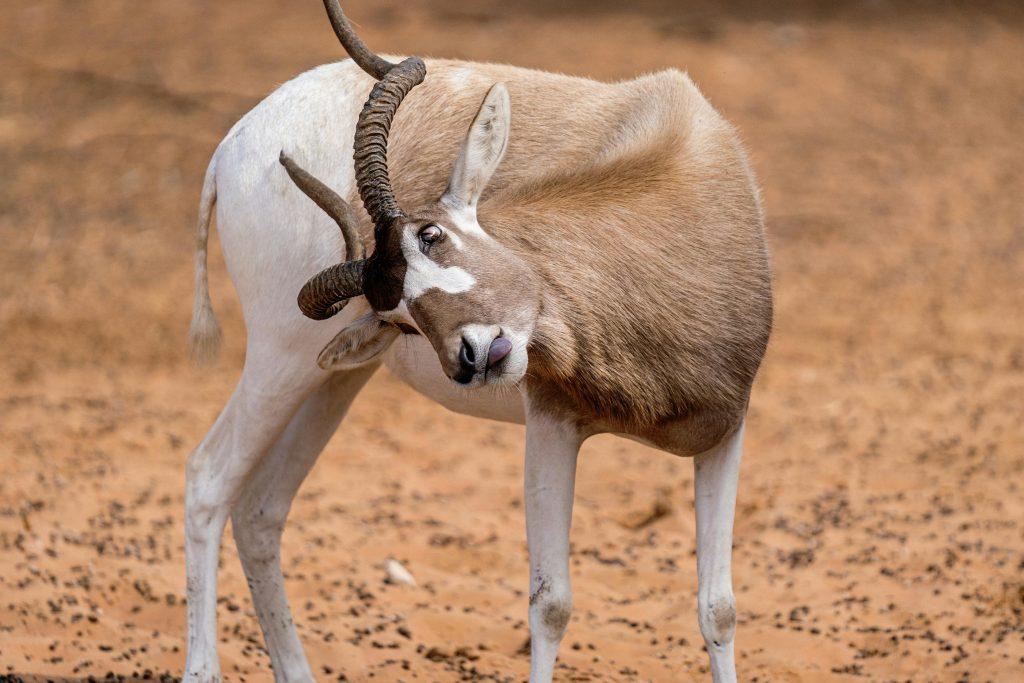
The addax is a critically endangered antelope that was once widespread across the entire Sahara. Its pale coat reflects sunlight and its wide, flat hooves are perfectly designed for walking on sand. The addax can go nearly its entire life without drinking water, obtaining moisture from the grasses and plants it eats. Its body temperature can fluctuate by several degrees to reduce water loss through sweating — an adaptation shared by very few mammals on Earth.
Sadly, decades of overhunting and habitat loss have reduced the wild addax population to fewer than 100 individuals. While sightings in the wild are extremely rare today, conservation programs across North Africa are working to breed and reintroduce these magnificent animals. Morocco has been involved in captive breeding programs, and there is hope that one day the addax will roam the Saharan dunes in greater numbers once again.
5. The Dorcas Gazelle — Speed and Grace
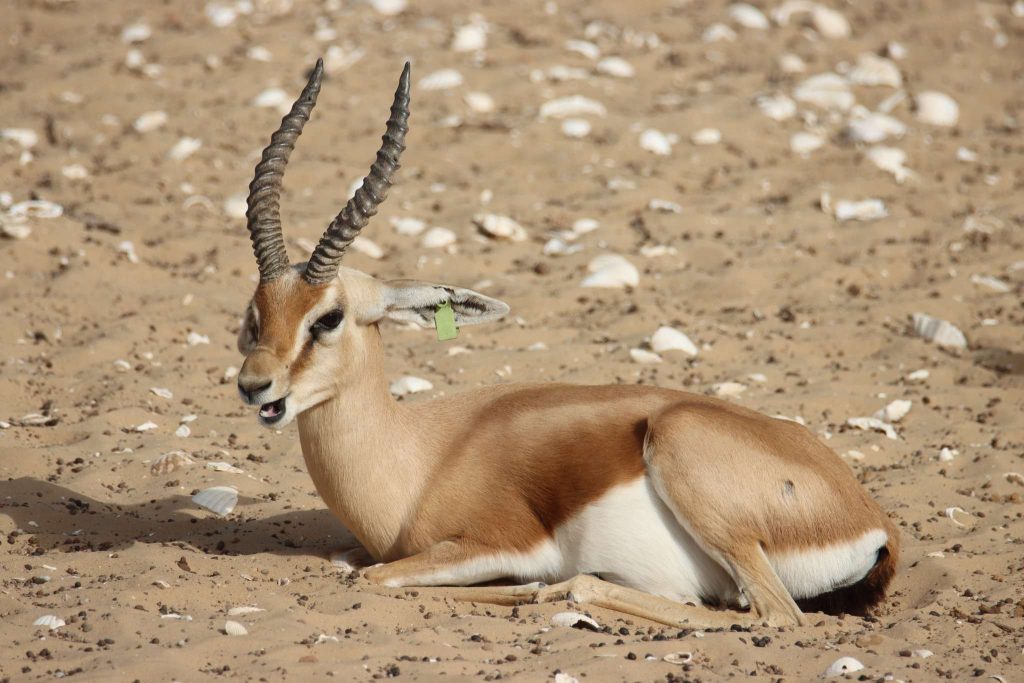
The Dorcas gazelle is one of the most adapted desert mammals. Small and agile, it can run at speeds up to 80 km/h to escape predators. Like the addax, it can survive almost entirely without drinking water, relying on dew and plant moisture. Standing at just 55 to 65 centimeters tall at the shoulder, these elegant animals weigh only 15 to 20 kilograms, making them remarkably efficient in terms of the energy and water they need to survive.
These graceful animals are occasionally spotted in the rocky desert (hammada) regions between Merzouga and the Middle Atlas foothills, particularly during early morning drives. If you are lucky enough to see one, you will understand why the gazelle has been a symbol of beauty and grace in North African poetry and art for centuries. Our guides on multi-day custom tours know the areas where sightings are most likely.
6. The Desert Monitor Lizard — A Prehistoric Presence
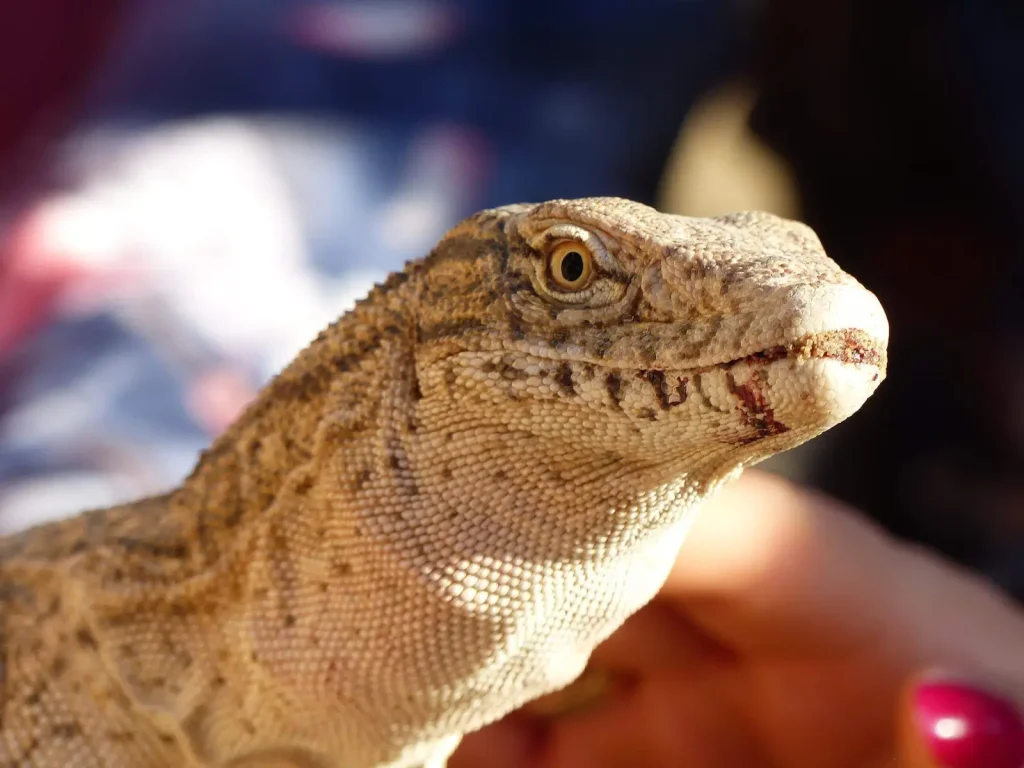
The desert monitor is the largest lizard in the Sahara, reaching up to 2 meters in length. These powerful reptiles are active during the day and can often be seen basking on rocks or hunting near oasis areas. They feed on insects, small mammals, birds, and eggs. Their forked tongues constantly taste the air for chemical signals, allowing them to track prey over long distances much like their larger cousins, the Komodo dragons.
Desert monitors are surprisingly fast when they need to be, capable of short sprints and even standing upright on their hind legs to survey their surroundings. Spotting a desert monitor during a morning walk in the rocky desert near Merzouga is a thrilling encounter that reminds visitors of the ancient, untamed nature of this landscape.
7. The Sand Cat — The Desert’s Elusive Feline
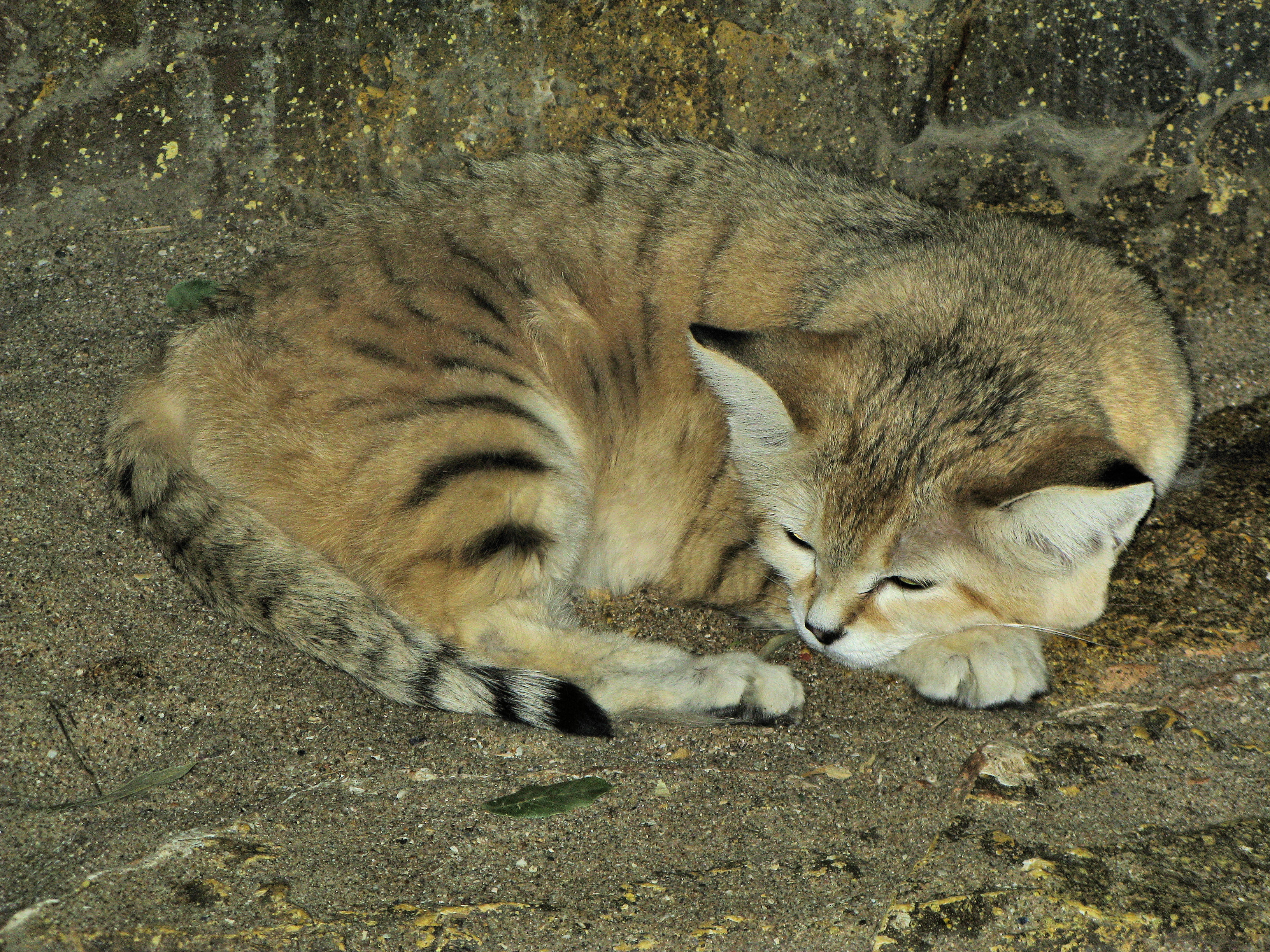
The sand cat (Felis margarita) is the only wild cat species that lives exclusively in desert environments. With its broad, flat head, oversized ears, and large green eyes, it looks almost like a domestic kitten — but make no mistake, this is a skilled predator perfectly engineered for life in the Sahara. Thick fur covers the soles of its paws, acting as natural insulation against scorching sand that can reach temperatures above 80°C during the day. Its sandy-colored coat provides excellent camouflage against the desert terrain.
Sand cats are solitary and strictly nocturnal, spending the hottest hours sheltered in burrows they dig themselves or take over from foxes and rodents. At night, they emerge to hunt small rodents, geckos, insects, and even venomous snakes with remarkable agility. Their exceptional hearing allows them to detect prey moving underground. Sand cats are extremely elusive and rarely seen, which makes a sighting during an overnight desert camp near Merzouga a truly magical and unforgettable experience. Our Berber guides occasionally spot their distinctive small tracks in the soft sand around the Erg Chebbi dunes at dawn.
8. The Sacred Scarab Beetle — An Ancient Symbol of the Desert
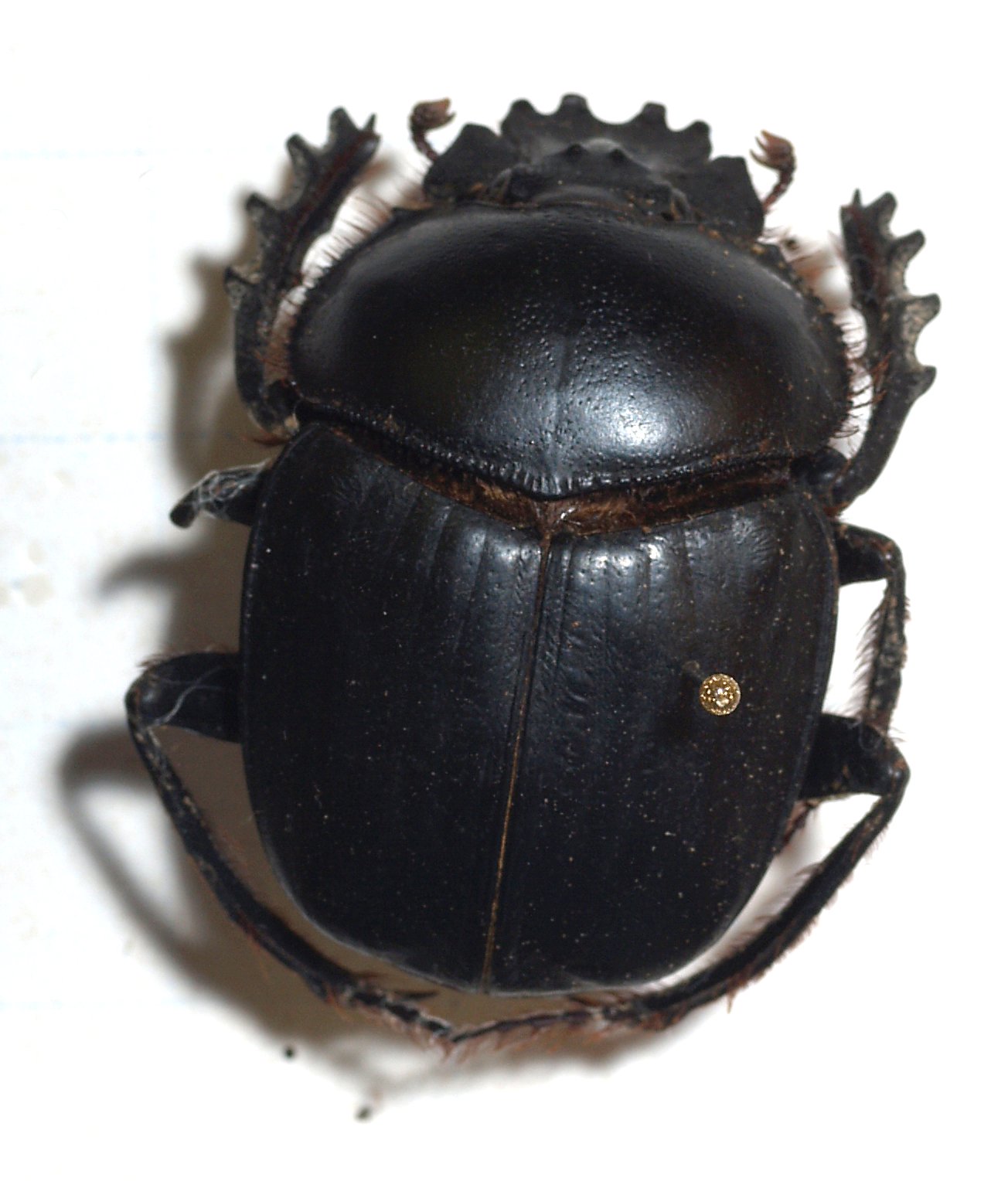
The sacred scarab beetle (Scarabaeus sacer) has been a symbol of creation and renewal since the time of the pharaohs. Ancient Egyptians believed this remarkable insect represented the sun god Khepri, as the way it rolls balls of dung across the sand mirrored the sun’s journey across the sky. These glossy black beetles are surprisingly large — up to 3 centimeters — and can be spotted in the early morning hours pushing their perfectly spherical dung balls across the sandy terrain.
Scarab beetles play a vital ecological role in the desert ecosystem. By burying dung underground, they recycle nutrients back into the soil, aerate the sand, and help control flies and parasites. They are remarkably strong for their size, capable of rolling a ball that weighs many times their own body weight. During our desert tours near Merzouga, guests often spot scarab beetles at work in the early morning near the camel resting areas — a living connection to one of the most ancient and fascinating cultural symbols of North Africa.
9. The Barbary Falcon — Lord of the Skies
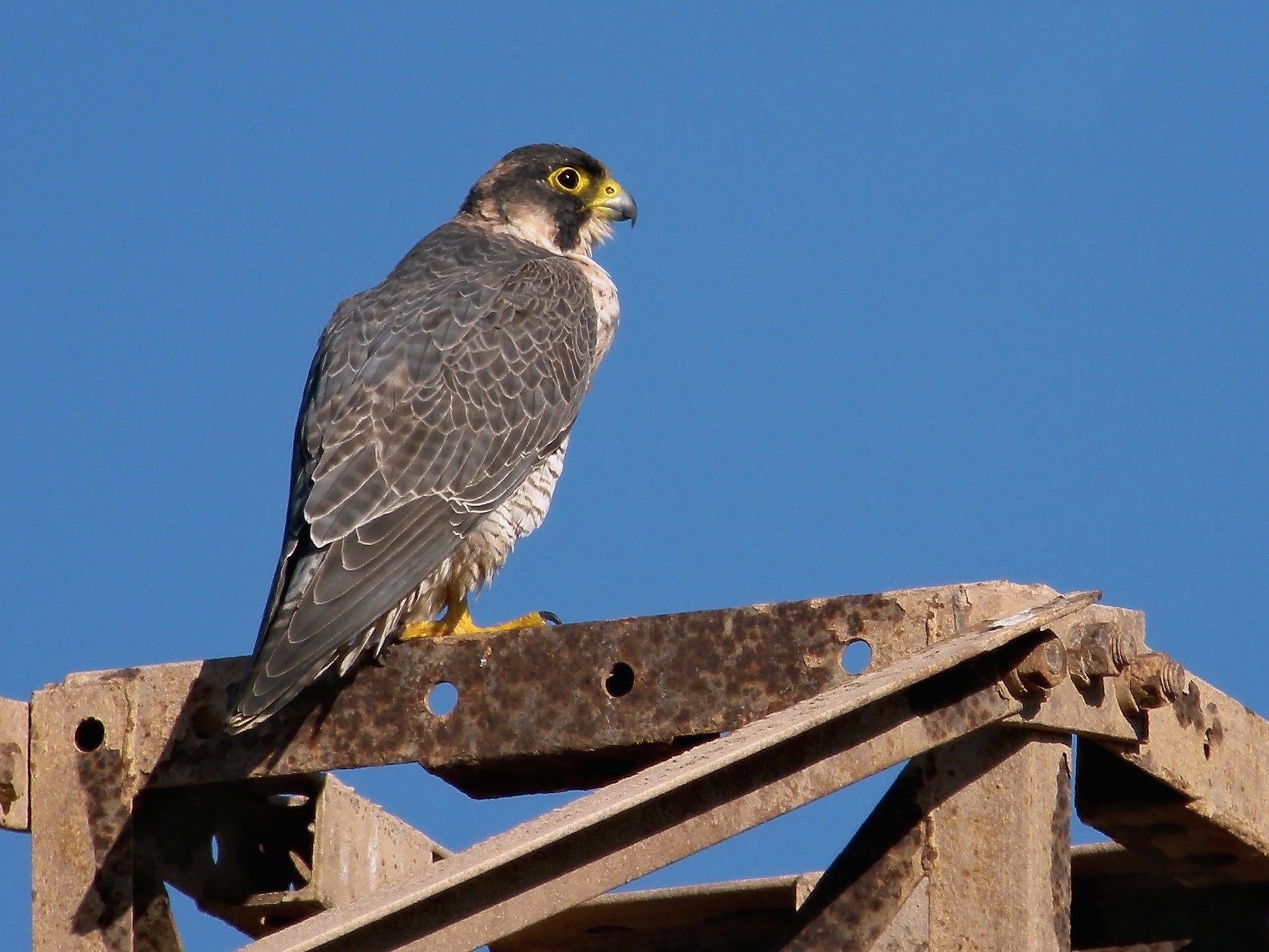
The Barbary falcon, closely related to the peregrine, is a formidable bird of prey that nests in the rocky cliffs and gorges at the edge of the Sahara. It reaches speeds over 300 km/h in its hunting dives, making it one of the fastest animals on Earth. According to the National Audubon Society, the Barbary falcon is a specialized subspecies perfectly adapted to the arid landscapes of North Africa and the Middle East.
These raptors primarily hunt medium-sized birds such as sandgrouse, doves, and larks, striking them mid-flight with devastating precision. Birdwatchers on our multi-day tours through the Todra and Dades Gorges often spot these magnificent raptors soaring above the canyon walls at dawn. Even non-birdwatchers find the experience of watching a falcon hunt against the backdrop of red desert cliffs truly unforgettable.
10. The Egyptian Jerboa — A Desert Kangaroo
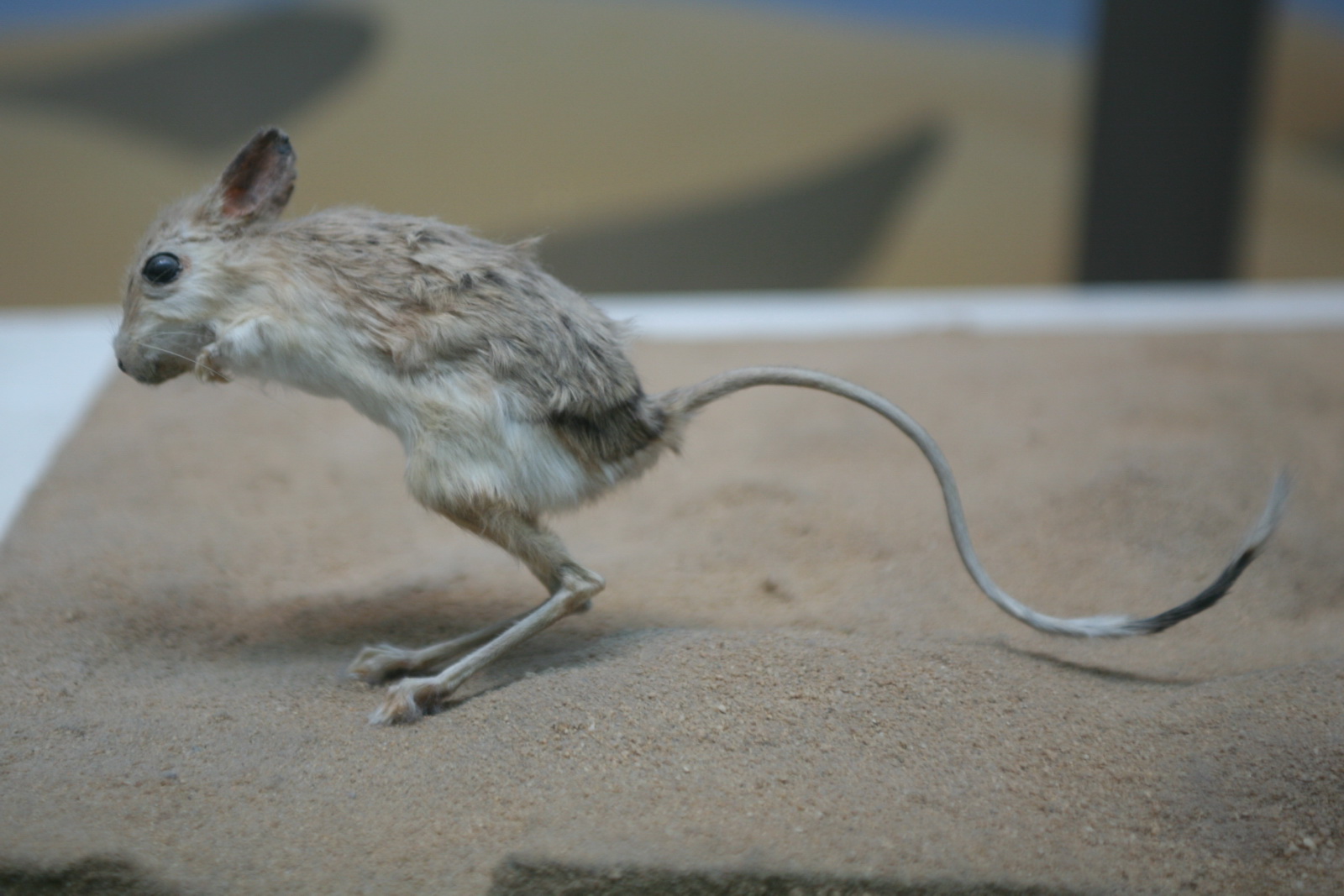
Perhaps the most charming desert animal, the Egyptian jerboa is a tiny rodent with extraordinarily long hind legs that allow it to leap up to 3 meters in a single bound. Strictly nocturnal, it lives in deep burrows during the heat of the day and emerges at dusk to forage for seeds and insects. Its tail, which is longer than its entire body, serves as a balance mechanism during its incredible jumping feats.
Jerboas have evolved specialized kidneys that produce extremely concentrated urine, minimizing water loss in their harsh environment. Their large eyes provide excellent night vision, and their long whiskers help them navigate in complete darkness. During overnight camps in the Erg Chebbi dunes, guests sometimes spot these tiny acrobats bouncing through the sand in the beam of a flashlight — a genuinely magical encounter that children and adults alike find absolutely delightful.
Discover the Living Desert with Duna Daurada
The Sahara is not the barren wasteland many imagine. It is a fragile, living ecosystem where extraordinary creatures have adapted over millennia to survive against the odds. According to National Geographic, the Sahara supports a surprisingly diverse range of species despite being the largest hot desert on Earth. When you travel with Duna Daurada, our experienced Berber guides share their deep knowledge of desert ecology, pointing out tracks, burrows, and behaviors that most visitors would never notice on their own.
Whether you are on a 3-day camel trek, a luxury bivouac experience, or a multi-day Sahara circuit, the wildlife of the desert adds an unforgettable dimension to your Moroccan adventure. Many of our guests tell us that encountering these animals in their natural habitat was the highlight of their entire trip — more memorable than the sunsets, the stargazing, or even the dunes themselves.
Ready to meet the animals of the Sahara? Browse our desert tours, explore our activities, or contact us to plan your perfect desert wildlife adventure. You can also use our tour finder to match your interests with the ideal itinerary.