Morocco is one of the most visited countries in Africa, and the Sahara desert is its crown jewel experience. Every year, thousands of women travel solo through Morocco and into the desert, returning home with stories of extraordinary hospitality, stunning landscapes, and experiences that challenged and rewarded them in equal measure.
But the internet is also full of cautionary tales, half-truths, and outdated information that can make solo female travel in Morocco seem more daunting than it is. The reality is nuanced. Morocco is neither the danger zone that alarmist blog posts suggest nor a place where you can let your guard down entirely. It is a country with its own cultural norms, and understanding those norms is the key to having a safe, enjoyable, and genuinely enriching experience.
This guide is written specifically for women planning a Sahara desert tour on their own. It covers safety strategies, cultural etiquette, practical wardrobe advice, how to choose the right tour, and honest insights into what the experience is actually like.
Is Morocco Safe for Solo Female Travelers?
The short answer is yes, with preparation. Morocco welcomes millions of tourists each year, and the vast majority of solo female travelers have positive experiences. The country has invested heavily in tourism infrastructure and security, and the Moroccan hospitality tradition runs deep. People are genuinely friendly, curious, and often eager to help.
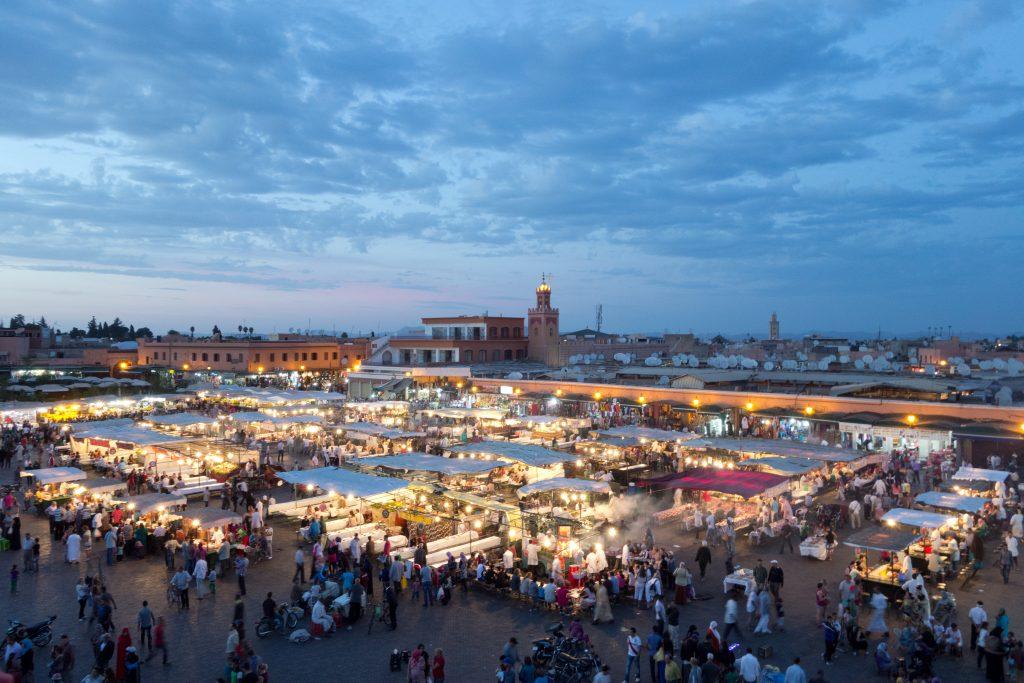
That said, Morocco is a conservative Muslim country with different social norms around gender interaction than many Western travelers are accustomed to. Street harassment, primarily verbal, does occur in cities, especially in busy medinas and tourist areas. It is rarely dangerous but can be persistent and uncomfortable.
The desert, paradoxically, tends to feel safer than the cities. Once you leave urban areas and enter the Sahara, you are in a sparsely populated environment where the people you encounter (guides, camp staff, nomadic families) are typically respectful, professional, and accustomed to working with international visitors, including women traveling alone.
Crime and Personal Safety
Violent crime against tourists in Morocco is rare. The most common concerns are petty theft (pickpocketing in crowded areas) and scams (inflated prices, fake guides, unwanted “help” that ends with a demand for payment). These are city phenomena; they essentially vanish once you are in the desert.
For your desert tour specifically, the safety equation is straightforward: when you are with a reputable guide and a well-organized tour, you are in good hands. The desert is not a place of random encounters with strangers. Your group, your guide, your camp staff, and occasionally a nomadic family are the only people you will see.
Choosing the Right Desert Tour
Your choice of tour operator is the single most important safety decision you will make. A good operator ensures that guides are professional, camps are well-maintained, vehicles are reliable, and your experience is comfortable and secure.
Group Tours vs. Private Tours
Both group and private tours work well for solo female travelers, but each has different advantages.
Group tours are the most popular choice for solo travelers. You join a small group of other travelers (typically 4 to 15 people), which provides built-in companionship and a sense of security. Group tours are also more affordable. The dynamic varies depending on the group composition; you might find yourself with other solo travelers, couples, families, or a mix. The social element is a major draw for many women traveling alone.
Private tours offer complete control over your itinerary, pace, and accommodation. If you value privacy, have specific interests, or simply prefer not to coordinate with strangers, a private tour is an excellent option. Some solo female travelers choose private tours because they want to dictate exactly where they go and how long they stay. Private tours cost more, but the personalized experience and flexibility are worth it for many.
You can browse available group and private tours to compare options, or request a custom itinerary designed around your preferences and comfort level.
What to Look for in a Tour Operator
When evaluating a tour operator as a solo female traveler, consider the following. Read recent reviews, specifically from other women who traveled solo. Look for comments about guide professionalism, camp quality, and overall feeling of safety. Ask the operator directly about their experience with solo female travelers, and pay attention to how they respond. A good operator takes your concerns seriously and provides specific, helpful answers rather than generic reassurances.
Check whether the operator employs female staff, either as guides, camp managers, or support staff. While this is not a requirement, it can add comfort for some travelers. Ask about the sleeping arrangements in shared camps, specifically whether there are separate tent options or whether you will share with strangers.
Red Flags to Watch For
Be cautious of operators who are dismissive of safety questions, vague about itinerary details, or unwilling to provide references. Extremely cheap tours often cut corners on quality and safety. If an operator pressures you to book immediately without giving you time to research, that is a warning sign.
Avoid informal arrangements with individuals you meet on the street, even if they seem friendly and knowledgeable. Unlicensed guides and unofficial tour operators are common in tourist areas, and while many are honest, there is no accountability if something goes wrong.
Cultural Etiquette for Women in Morocco
Understanding Moroccan cultural norms is not just about avoiding discomfort; it is about showing respect for the country you are visiting and connecting more authentically with the people you meet.
Greetings and Social Interaction
Moroccans are warm and sociable. Greetings are important and often prolonged, with inquiries about health, family, and well-being. As a woman, you may find that Moroccan men avoid direct eye contact or physical contact such as handshakes out of respect, not unfriendliness. Follow their lead: if a man offers his hand, shake it; if he places his hand on his chest instead, return the gesture.
With women, the greeting is typically warmer and may include cheek kisses (usually two) once a relationship is established. Moroccan women are often curious about solo female travelers and may strike up conversations, offering advice, food, or invitations to tea.
Conversation Topics
Moroccans enjoy discussing family, food, travel, and football. Questions about your family, including whether you are married and have children, are not intrusive; they are standard conversational openers. If you prefer not to share personal details, a polite deflection works fine. Some solo female travelers find it useful to mention a partner or husband (real or fictional) as a social shortcut that reduces unwanted attention, though this is a personal choice rather than a necessity.
Avoid criticizing Islam, the Moroccan monarchy, or local customs. These are sensitive topics. Political discussions are fine in general terms but avoid controversy.
The Role of Hospitality
Moroccan hospitality is legendary and genuine. If someone invites you for tea or a meal, it is almost certainly a sincere gesture. However, in tourist areas, occasional invitations come with strings attached (a visit to a shop, a tip expectation). Use your judgment. In the desert and rural areas, hospitality is almost always pure and heartfelt.
When you accept an invitation, it is polite to bring a small gift: tea, sugar, pastries, or fruit are always welcome. Remove your shoes if your host does. Accept at least one glass of tea; refusing is considered rude.
What to Wear: Practical and Respectful Dressing
Clothing is one of the topics solo female travelers worry about most, and the advice is simpler than you might think: dress modestly, comfortably, and practically for the desert environment.
General Guidelines
Morocco is not as strict about women’s clothing as some other Muslim-majority countries, but modesty is appreciated, especially outside major tourist areas. Covering your shoulders and knees is a good baseline. Loose-fitting clothing is both culturally appropriate and more comfortable in the heat than tight garments.
You do not need to wear a headscarf in Morocco. Some women choose to carry a scarf that they can drape over their head when visiting mosques or conservative rural areas, and this is a thoughtful gesture, but it is not required.
Desert-Specific Clothing
For the Sahara, your clothing needs to balance modesty with practical desert considerations. Light-colored, loose, long-sleeved tops and full-length trousers made from breathable fabric are ideal. These protect you from the sun, sand, and wind while keeping you cool and culturally appropriate.
A large scarf or cheche is indispensable. You can wrap it as a headcover against the sun, pull it over your face during sand or wind, use it as a blanket on cool evenings, or drape it modestly around your shoulders when needed. Your guide can show you how to tie a cheche in the traditional Berber style.
Footwear should be closed-toe for camel riding and sand walking. Sturdy sandals work around camp but not for trekking. Bring warm layers for the night, as desert temperatures drop dramatically after sunset. A fleece or warm sweater and a light jacket are essential even if daytime temperatures are high.
What Not to Wear
Avoid low-cut tops, shorts, miniskirts, and transparent fabrics. While you might see this in tourist areas of Marrakech, it attracts unwanted attention and is disrespectful in rural and desert communities. Bikinis and swimwear are for private pool areas at hotels only, not for public spaces.
Practicality matters too. High heels, white clothing (it will not survive the sand), and anything you cannot move freely in should stay home.
Dealing with Unwanted Attention
Street harassment, primarily catcalls, comments, and persistent invitations, is the most commonly reported negative experience for women in Moroccan cities. Here is how to handle it effectively.
In Cities
Walk with purpose and confidence. Avoid making sustained eye contact with men who are trying to engage you, as this can be interpreted as encouragement. A firm but polite “la, shukran” (no, thank you) is usually enough to discourage persistence. If someone continues to bother you, walk toward a shop, restaurant, or any public place with other people.
Wearing a headscarf in cities does reduce attention, though it does not eliminate it entirely. Some women find it a useful tool; others find it unnecessary. It is entirely your choice.
Avoid walking alone in poorly lit or deserted areas at night. This is standard advice for any city worldwide but is particularly relevant in medina neighborhoods where streets can be narrow and confusing after dark.
In the Desert
Harassment is extremely rare in the desert context. Your guide and camp staff are professionals whose livelihood depends on providing a positive experience for all guests. If any behavior makes you uncomfortable, speak up immediately. A good guide will address the situation without hesitation.
In the unlikely event that you feel unsafe, trust your instincts and remove yourself from the situation. Have the contact information for your tour operator saved in your phone, and do not hesitate to contact them.
Useful Arabic Phrases
Learning a few phrases in Darija (Moroccan Arabic) can be empowering and practical:
- “La, shukran” — No, thank you
- “Barak Allahu fik” — God bless you (a polite way to end an interaction)
- “Safi” — Enough / That is enough
- “Smahliya” — Excuse me
- “Waqef” — Stop
The Solo Female Desert Experience: What to Expect
Here is an honest look at what your desert tour will actually feel like as a woman traveling alone.
The Journey to the Desert
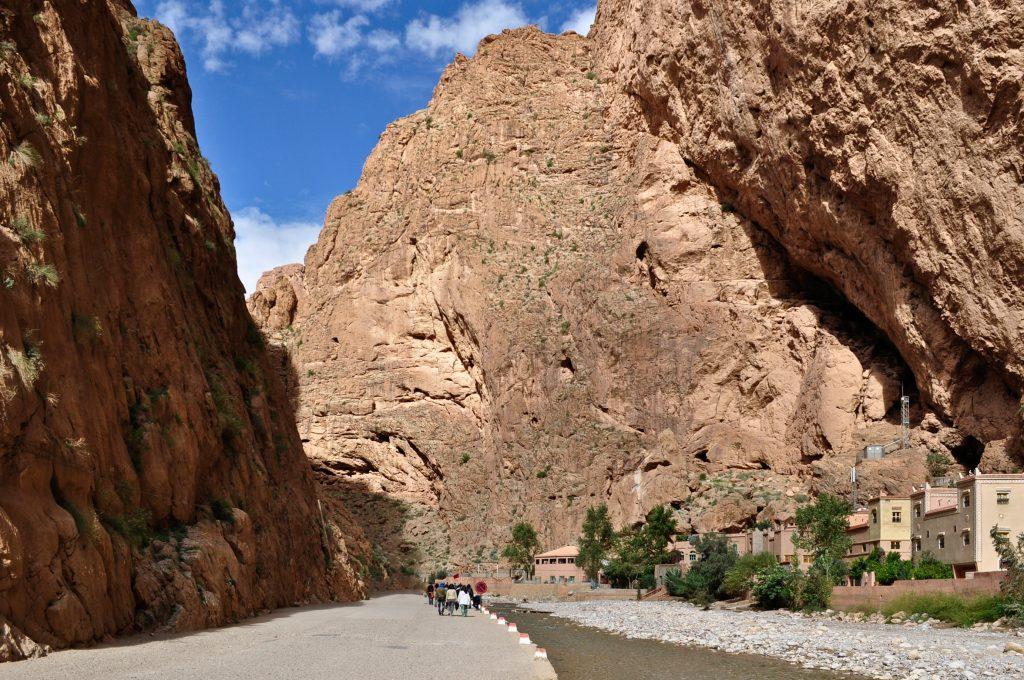
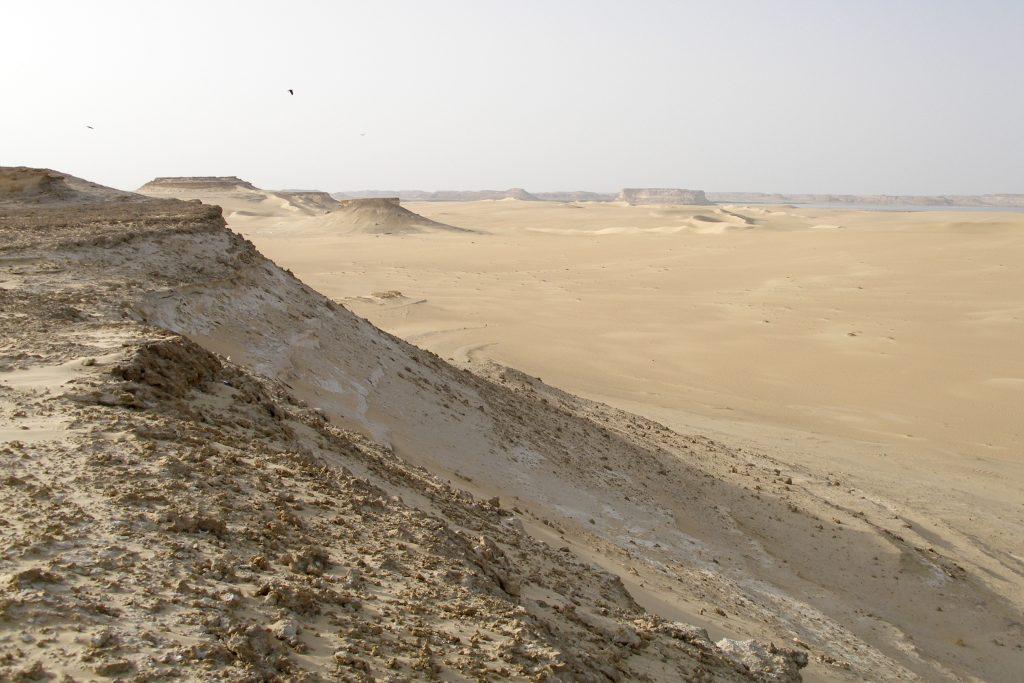
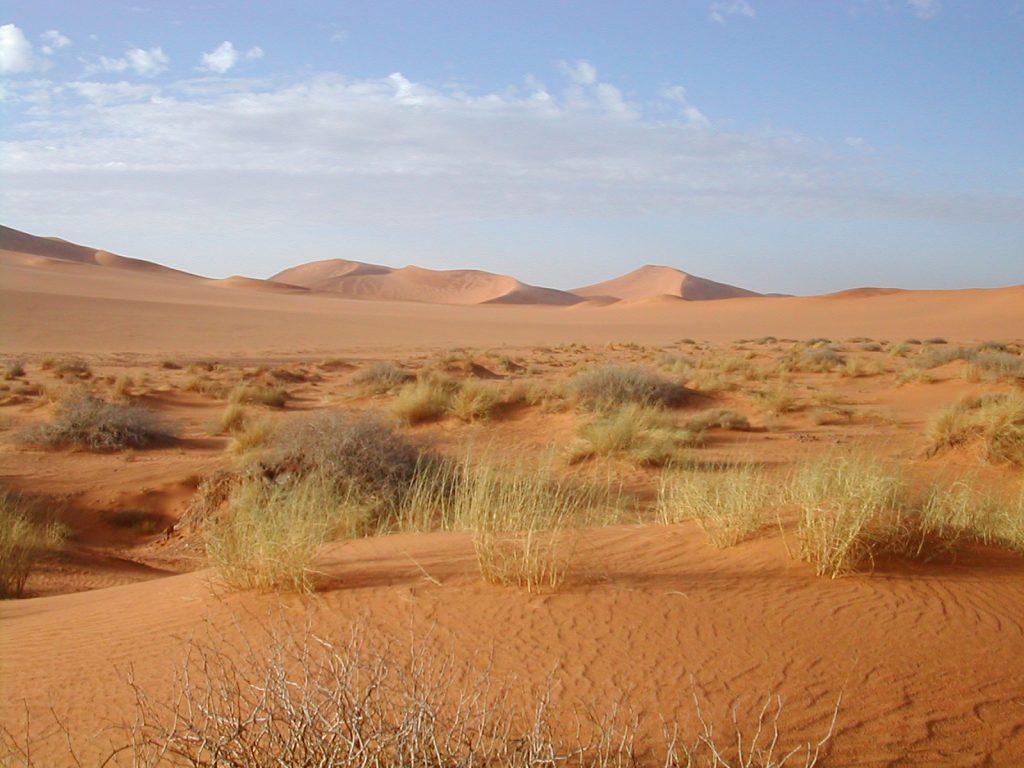
Most Sahara tours depart from Marrakech, Fez, or Ouarzazate and involve a full day or more of driving through changing landscapes: the Atlas Mountains, river valleys, rocky hamada desert, and finally the sand dunes. This is typically the portion where you bond with your group (if on a shared tour) or get to know your guide (if private).
Stops along the route include scenic viewpoints, kasbahs, and small towns where you can stretch your legs and have lunch. Your guide manages all logistics, so you can focus on enjoying the scenery.
Arriving at Camp
Desert camps range from basic bivouacs to luxurious glamping setups with private tents, en-suite bathrooms, and hot showers. As a solo traveler, you will typically have your own tent. In shared group tours, confirm this when booking. Most quality camps provide individual tents for solo travelers, but it is worth verifying.
The camp experience is often the highlight of the trip. Dinner is served communally, and the social atmosphere around the fire is warm and inclusive. Berber music, storytelling, and stargazing under the Sahara sky create a setting that feels both timeless and deeply personal.
The Camel Trek
The classic Sahara experience is riding a camel into the dunes at sunset. Camels are gentle animals, and your guide will help you mount and dismount. The ride typically lasts 60 to 90 minutes and is comfortable at a walking pace. Some women find the initial mounting a bit ungainly (long, loose clothing helps here), but you settle into the rhythm quickly.
If you prefer, many tours offer the option to walk alongside the camel caravan instead of riding. There is no pressure either way.
Overnight in the Dunes
Sleeping in the Sahara is an experience unlike anything else. The silence is profound, and the stars are overwhelming. If you are in a solo tent, you will have privacy and security. Camps are staffed throughout the night, and your guide is accessible if you need anything.
Desert nights are cold, especially from October through March. Most camps provide thick blankets, but bringing your own thermal layer to sleep in is a good idea.
Practical Safety Tips Specifically for Solo Women
Beyond the general advice above, here are targeted tips that solo female travelers consistently recommend.
Before You Go
Register your trip with your home country’s embassy or consular service in Morocco. Share your complete itinerary, including your tour operator’s contact information, with someone you trust at home. Make digital copies of your passport, insurance documents, and tour booking confirmation, and store them in cloud storage you can access from any device.
Download offline maps of Morocco on your phone. Cell coverage is good in cities but disappears in the desert. Having maps available offline helps you navigate independently when needed.
Money and Valuables
Carry your money in multiple places: some in a money belt worn under your clothing, some in your day bag, and a small emergency stash in your luggage. Leave expensive jewelry at home. A basic watch, modest earrings, and a functional phone are all you need.
Credit cards are accepted in many tourist-oriented businesses, but cash is king in rural Morocco and essential in the desert. ATMs are widely available in cities but nonexistent in small desert towns. Withdraw what you need before heading into the Sahara.
Accommodation Safety
In hotels and riads, always lock your door and use the security chain or bolt. If your room does not feel secure, ask for a different one. Many solo female travelers prefer riads (traditional guesthouses) over large hotels because the smaller, family-run atmosphere feels more personal and secure.
In the desert camp, your tent will have a zip closure. Some camps provide lockable tents. Keep your valuables with you or in a bag inside your sleeping area.
Communication
Purchase a Moroccan SIM card upon arrival. They are inexpensive and widely available at airports and in cities. A local phone number allows you to communicate with your tour operator, call taxis, and make emergency calls. WhatsApp is the primary communication tool in Morocco; nearly everyone uses it, including tour operators and guides.
Consider a satellite communicator (such as Garmin inReach) if you want the ability to send messages and emergency signals from the deep desert where cell coverage does not exist.
Health Considerations
Pack any prescription medications you need, along with a supply of common remedies: pain relievers, anti-diarrhea medication, rehydration salts, and antihistamines. Period products may be difficult to find in small towns and the desert, so bring a sufficient supply from home or stock up in a major city.
Tap water in Morocco is not safe to drink. Use bottled water, which is widely available and inexpensive. Desert dehydration is a real concern; drink proactively and frequently, especially during physical activities.
Group Dynamics and Making Connections
One of the unexpected joys of solo travel is the connections you make along the way. Sahara desert tours, with their communal meals, shared campfires, and collective awe at the landscape, are particularly conducive to forming friendships.
On Group Tours
Group tours naturally bring people together. As a solo traveler, you may find yourself connecting with other solo travelers (there are often several on any given tour), couples who enjoy new company, or families who welcome an extra conversational partner. The desert setting strips away the social barriers that often exist in everyday life, and conversations around the fire can be surprisingly deep and meaningful.
With Your Guides
Berber guides are natural storytellers with a deep love for their culture and landscape. Many solo female travelers report that conversations with their guides are among the most enriching parts of their trip. Guides are happy to share knowledge about desert plants, nomadic traditions, Berber music, and the stories behind the landscapes you pass through.
Maintain professional boundaries and trust your instincts. The vast majority of guides are thoroughly professional, but if any interaction feels inappropriate, address it directly or report it to the tour operator.
With Local Women
Opportunities to meet Moroccan women are more limited in the desert than in cities, but they do arise. Visits to nomadic families often provide a chance to interact with women in their home environment. These encounters, facilitated by a culturally sensitive guide, can be deeply moving and memorable.
In towns along the route, markets and cooperatives offer opportunities to connect with local women artisans. The activities available on our tours often include visits to women’s cooperatives, where you can see traditional crafts being made and purchase directly from the artisans.
Inspiration and Encouragement
Solo female travel in Morocco, and particularly in the Sahara, is one of those experiences that expands your sense of what is possible. The desert has a way of stripping away the noise and stress of daily life and replacing it with clarity, beauty, and a profound sense of peace.
Yes, you will need to prepare. Yes, there will be moments of discomfort, whether from the heat, cultural differences, or the simple unfamiliarity of being far from home. But these moments are vastly outweighed by the rewards: watching the sun set over the dunes from the back of a camel, lying in the silence of the desert night with the Milky Way stretched above you, sharing tea and laughter with Berber nomads, and discovering your own capacity for adventure and adaptability.
Women have been traveling through Morocco for centuries, and the tradition of welcoming them continues today. The Sahara does not discriminate; it humbles and inspires everyone equally.
Start Planning Your Solo Desert Adventure
Whether you prefer the companionship of a group or the freedom of a private tour, the Sahara is waiting for you. Browse our available tours to find the perfect match for your travel style, or contact us directly to discuss your needs and any concerns. Our team includes experienced travelers who understand the unique considerations of solo female travel and are happy to help you design an adventure that is safe, comfortable, and unforgettable.
Your Sahara story starts with a single step. Make it a confident one.