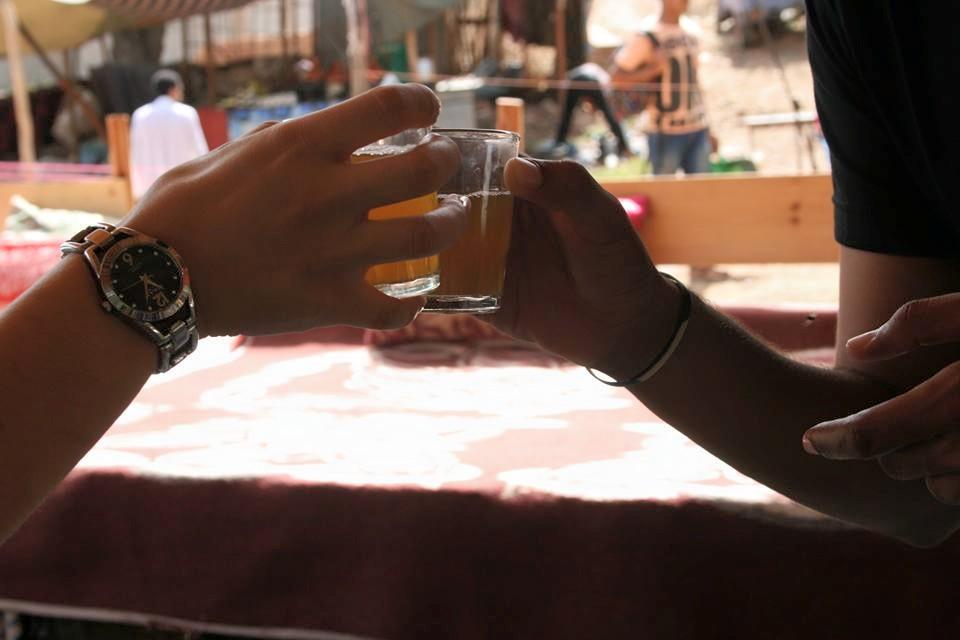
In Morocco, offering tea is offering friendship. Refusing tea is refusing connection. This simple beverage, a combination of Chinese gunpowder green tea, fresh spearmint, and generous amounts of sugar, is the most important social ritual in Moroccan daily life. It is served at every gathering, every negotiation, every meal, every welcome, and every farewell. It is the first thing offered to a guest and the last shared before parting. Understanding Moroccan mint tea is understanding something essential about Moroccan culture itself.
Known locally as “atay naa naa” (literally “tea with mint”) or “Berber whiskey” (a humorous nod to its popularity in a predominantly Muslim country where alcohol is not widely consumed), Moroccan mint tea is far more than a refreshment. It is a performance, a social contract, a measure of hospitality, and an art form. The way it is prepared, poured, and served communicates respect, generosity, and skill.
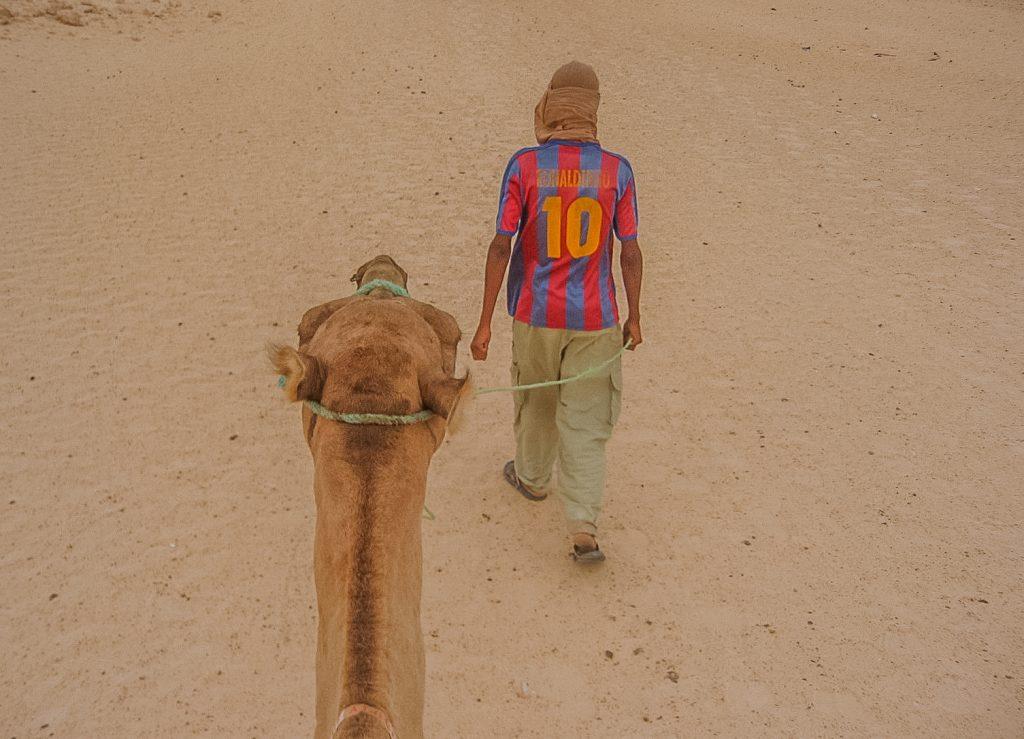
For travelers visiting Morocco, and especially those joining a Sahara Desert tour, the tea ritual will be one of the most frequent and meaningful cultural encounters of the journey. This guide explores the history, preparation, social significance, regional variations, and the unforgettable experience of sharing tea under the stars in a desert camp.
The History of Moroccan Tea
Tea Arrives in Morocco
Tea is not native to Morocco or North Africa. The tea plant (Camellia sinensis) originates in East Asia, and the habit of drinking tea reached Morocco relatively recently in its long history.
The most widely accepted account places the introduction of tea to Morocco in the 18th century, when British merchants, seeking new markets for tea from their Chinese trade, began selling it through the port of Mogador (modern Essaouira) and other Moroccan coastal cities. By the mid-1800s, tea had become established among the Moroccan elite, particularly in the northern cities of Tangier, Tetouan, and Fez.
Some historians trace earlier introductions through Ottoman trade networks or through the tea that European diplomatic missions brought as gifts to the Moroccan sultan. Regardless of the precise timeline, what is remarkable is how quickly and completely Morocco adopted tea as its own, integrating it into a culture that had previously centered its social rituals around coffee, buttermilk, and other beverages.
From Luxury to National Drink
Initially, tea was an expensive luxury available only to the wealthy. Chinese gunpowder green tea (so named because the leaves are rolled into small pellets resembling gunpowder) had to be imported at significant cost. However, as trade expanded and prices dropped during the 19th century, tea consumption spread rapidly through all levels of Moroccan society.
The addition of mint and sugar, which defines Moroccan tea, appears to have developed during this period of democratization. Fresh spearmint was abundantly available throughout Morocco, sugar was becoming more accessible, and the combination transformed a simple hot drink into something uniquely Moroccan. By the early 20th century, mint tea had become the undisputed national beverage, consumed multiple times daily by virtually every household in the country.
Tea and Moroccan Independence
Tea played a symbolic role during Morocco’s struggle for independence from French colonial rule in the mid-20th century. The tea ritual represented Moroccan cultural identity and resistance to French cultural assimilation. Gathering for tea became an implicit assertion of Moroccan tradition, and the tea ceremony’s emphasis on hospitality, patience, and community embodied values that colonialism could not extinguish. Today, the preparation and sharing of tea remains a daily affirmation of Moroccan cultural identity.
The Preparation Ritual
Preparing Moroccan mint tea is a deliberate, multi-step process that is traditionally performed by the male head of the household or the host, though in practice, anyone may prepare it. The ritual is not rushed; it is part of the social experience, and guests are expected to enjoy the process as much as the final product.
Ingredients
The three essential components of traditional Moroccan mint tea are:
- Chinese gunpowder green tea: The tightly rolled leaves are prized for their strong, slightly bitter flavor that balances the sweetness. Quality varies significantly, and Moroccans are discerning about their tea brands.
- Fresh spearmint (naa naa): Fresh, not dried, is non-negotiable. The mint should be bright green, aromatic, and abundant. In Morocco, huge bundles of fresh mint are sold at every market and are a daily household purchase.
- Sugar: Traditionally sold in large, dense cones that are broken into chunks with a special hammer. Moroccan tea is sweet, often startlingly so for Western palates. The sugar is not merely a flavoring but a structural element that gives the tea its characteristic body and texture.
Step-by-Step Preparation
Step 1: Rinse the tea. A tablespoon or two of gunpowder green tea is placed in the teapot (a distinctive, long-spouted, silver-colored metal pot). A small amount of boiling water is added, swirled briefly, and then poured off. This “washing” removes dust and the most bitter tannins from the tea leaves.
Step 2: First infusion. Boiling water is poured over the rinsed tea and left to steep for one to two minutes. This first infusion, called the “spirit of the tea,” is poured into a glass and set aside. It contains the most concentrated flavor and will be returned to the pot later.
Step 3: Second rinse. Another small amount of boiling water is added to the pot, swirled, and discarded. This further mellows the remaining bitterness.
Step 4: Build the tea. The reserved first infusion is poured back into the pot. A large handful of fresh mint is stuffed into the pot, followed by sugar (typically several large chunks or the equivalent of four to six tablespoons for a standard pot). More boiling water is added to fill the pot.
Step 5: Steep and blend. The pot is placed on a low flame or returned to the heat source and allowed to come just to a simmer. This step melds the flavors and dissolves the sugar completely.
Step 6: Taste and adjust. The preparer pours a glass, tastes it, and adjusts the sugar, mint, or steeping time as needed. This tasting is an important part of the ritual and demonstrates the host’s care for quality.
Step 7: Pour. Once satisfied, the tea is poured.
The Art of Pouring
The pour is the most visually dramatic element of the Moroccan tea ceremony. The teapot is held high above the glass, sometimes 30 centimeters or more, and the tea is poured in a long, continuous stream that creates a layer of froth on the surface of the glass. This high pour is not showmanship for its own sake; it serves practical purposes:
- Aerates the tea: The stream passing through air cools the tea slightly and introduces oxygen, which alters the flavor profile and makes it smoother.
- Mixes the flavors: The turbulence in the glass ensures that sugar, mint, and tea are fully blended.
- Creates froth: The bubbly foam on top is a sign of quality preparation and is appreciated by Moroccans much as the crema on an espresso is valued in Italian coffee culture.
The tea is typically poured back and forth between the pot and the glass several times before serving, a process the French call “marier le the” (marrying the tea). Each pour-back further blends and aerates the mixture.
The Social Significance of Tea
Three Glasses of Hospitality
The most widely cited tea tradition is the custom of serving three glasses, each with a different character. A Moroccan proverb describes them:
The three glasses represent a progression from mild to strong, from bitter to sweet, and from courtesy to connection. While the proverb is sometimes presented as strict ritual, in practice the number of glasses varies by occasion and context. However, accepting at least one glass is considered essential courtesy, and leaving after just one can be perceived as reluctance to engage.
Tea as Social Lubricant
In Moroccan society, tea accompanies virtually every social interaction:
- Business negotiations: No discussion of commerce, rent, or agreements begins without tea. The shared preparation and drinking of tea establishes a tone of mutual respect and patience before any negotiation begins.
- Market haggling: In the souks, being offered tea by a shopkeeper signals that you are being treated as a serious customer, not a passing browser. It also extends the interaction, giving both parties time to build rapport.
- Family gatherings: Tea is central to family visits, holiday celebrations, and weekend gatherings. Preparing and serving tea for the family is a meaningful domestic act.
- Welcoming strangers: In rural areas and among the Berber communities of the Atlas Mountains and Sahara, offering tea to a passing traveler is an almost automatic act of hospitality. Refusing this offer without good reason is considered impolite.
- Religious and ceremonial occasions: Tea is served at weddings, funerals, religious holidays, and community gatherings. It marks moments of significance with a shared ritual.
The Role of the Tea Preparer
Traditionally, preparing and serving tea is a role of honor. The male head of household or the most senior male present typically performs the ceremony for guests, though this convention is relaxing in modern, urban Morocco. The preparer’s skill, the quality of their tea, and the grace of their pour are matters of personal pride and social reputation.
In the desert, Berber guides take great pride in their tea preparation. The ability to make excellent tea over a simple charcoal burner in the sand, using nothing but basic equipment, is a practical skill that also carries cultural weight. When your guide prepares tea for you in a desert camp, they are offering a genuine piece of their heritage.
Regional Variations
While the basic combination of green tea, mint, and sugar is universal across Morocco, regional variations add local character.
Southern and Saharan Tea
In the southern regions and the Sahara, tea is often even sweeter and stronger than in the north. The desert version may include less mint (which is harder to obtain far from market towns) and more sugar. Saffron or orange blossom water is sometimes added, reflecting the local agricultural products of the Draa and Ziz Valleys. In some Saharan communities, tea is prepared in three sequential pots rather than three glasses from one pot, each with a distinct character.
Northern Variations
In the Rif Mountains and northern Morocco, absinthe herb (chiba) is sometimes added to the tea alongside or instead of mint, giving it a distinctly bitter, aromatic edge. This variation is an acquired taste but is prized by locals for its digestive properties and bold flavor.
Atlas Mountain Tea
Berber communities in the High Atlas sometimes prepare tea with wild herbs gathered from the mountain slopes, including thyme, pennyroyal, verbena, and sage. These herbal teas, served in the same ceremonial fashion as mint tea, reflect the mountain environment and the traditional herbal knowledge of Amazigh culture.
Seasonal Adjustments
In winter, when fresh mint is less abundant, dried mint or other herbs may substitute. Cinnamon, ginger, and cloves are sometimes added to winter teas for warmth. In summer, the same tea may be served in larger glasses with extra mint for a more refreshing character.
Tea in the Desert Camp
For travelers on a Sahara Desert tour, the tea ceremony takes on a special dimension. There is something deeply atmospheric about watching your Berber guide prepare tea over a small charcoal burner in the sand as the sun sets behind the dunes and the first stars appear.
The Desert Tea Experience
In a typical desert camp evening, tea is prepared and served multiple times:
- Upon arrival: After the camel trek or drive to camp, a glass of tea welcomes you and signals that you have arrived at a place of rest and hospitality.
- Before dinner: As the camp comes alive with cooking preparations and music, tea is shared around the fire.
- After dinner: The post-dinner tea service is often the longest and most relaxed, accompanying conversation, drumming, and storytelling under the stars.
- Morning: Before departure, a final glass of tea accompanies a simple breakfast of bread, jam, and olive oil.
The Campfire Setting
Desert tea preparation around a campfire has its own character. The charcoal burner is set directly in the sand, the pot heated slowly, and the pour performed with the same high-stream technique used in homes and cafes. The firelight catches the golden stream of tea as it arcs from pot to glass, and the sound of pouring blends with the crackle of the fire and the silence of the surrounding desert.
This is often the moment when guides share stories, when travelers from different countries find common ground, and when the pace of the journey slows to something genuinely restful. The tea ritual provides structure and rhythm to the desert evening, creating natural pauses for reflection and conversation.
When you book a desert experience with Duna Daurada, the tea ceremony is an integral part of every camp evening, prepared by your Berber hosts with the same care and pride they would show in their own homes.
How to Make Moroccan Mint Tea at Home
While the experience of drinking tea in a Moroccan riad or desert camp cannot be replicated, the tea itself can be prepared anywhere with the right ingredients.
What You Need
- A small teapot (ideally the traditional Moroccan style, but any small pot works)
- Chinese gunpowder green tea (available at Middle Eastern grocery stores or online)
- A generous bunch of fresh spearmint
- White sugar (granulated is fine; adjust to taste)
- Small glasses (traditional Moroccan tea glasses are about 100ml, but any small heatproof glass or cup works)
Basic Recipe (Serves 4 to 6 Glasses)
- Add 1.5 tablespoons of gunpowder green tea to the pot.
- Add a splash of boiling water, swirl for 15 seconds, and pour off the rinse water.
- Add 500ml of boiling water and steep for 2 minutes.
- Add a large handful of fresh mint (stems and all) and 3 to 5 tablespoons of sugar.
- Return to low heat and bring just to a simmer.
- Taste and adjust sweetness.
- Pour from a height into small glasses.
- Pour the first glass back into the pot, then pour again for serving.
Tips for Authenticity
- Do not skimp on the sugar. Moroccan tea is meant to be sweet. You can reduce it to your preference, but know that authentic Moroccan tea is significantly sweeter than most Western expectations.
- The mint should be fresh and abundant. Dried mint produces a fundamentally different flavor.
- The high pour matters. Practice over the sink until you can pour a steady stream from 20 to 30 centimeters above the glass.
- Serve immediately. Moroccan tea does not sit well; it should be consumed fresh and hot.
Tea Etiquette for Travelers
Understanding basic tea etiquette will enrich your interactions throughout Morocco.
Accepting Tea
- Always accept the first glass offered. Declining tea from a host is considered impolite and can create awkwardness.
- If you genuinely cannot drink more (medical reasons, timing), explain politely. A simple “shukran, baraka” (thank you, that is enough) is understood.
- Hold the glass by the rim between your thumb and first finger. Moroccan tea glasses have no handles and the body of the glass is hot.
During the Service
- Do not rush the process. Tea preparation is meant to be unhurried, and demonstrating patience shows respect for the host.
- Compliment the tea. A sincere “bneen” (delicious) is always appreciated.
- If offered, accept biscuits or pastries alongside the tea. These are part of the hospitality.
- It is acceptable to add sugar to your glass if you find it insufficiently sweet, but removing sweetness from a tea already prepared is obviously not possible, so mention your preference before the pour if you want less sugar.
In a Shop or Market
- Accepting tea in a shop does not obligate you to purchase anything, though some travelers feel pressured. The tea is a gesture of welcome and a social custom; it does not create a debt.
- That said, if you spend significant time in a shop drinking tea and examining goods, making a small purchase is a courteous gesture.
The Deeper Meaning
At its core, the Moroccan tea ritual embodies values that define Moroccan culture: generosity, patience, community, and the belief that the process of sharing is as important as what is shared. In a world that increasingly values speed and efficiency, the deliberate slowness of preparing and sharing three glasses of tea with friends, family, or strangers is a quiet act of resistance against the rush.
For travelers, participating in the tea ceremony, whether in a Fez riad, a Marrakech souk, a mountain village, or a Sahara Desert camp, is one of the most authentic and accessible entry points into Moroccan culture. It requires no language, no special knowledge, and no preparation beyond a willingness to sit, accept a glass, and be present.
Experience the Tradition for Yourself
The best way to understand Moroccan mint tea is to drink it in context, prepared by people for whom it is not a novelty but a daily practice, in places where the ritual has been performed for generations. Our desert tours include authentic Berber camp experiences where tea preparation and sharing is a central part of every evening. If you would like to build a journey around Morocco’s cultural traditions, including tea, cuisine, music, and craftsmanship, get in touch with our team to design a custom tour that goes beyond the surface.