When you travel to the Moroccan Sahara, you are not simply visiting a landscape of sand and sky. You are stepping into the homeland of the Amazigh people, commonly known as the Berbers, whose culture stretches back thousands of years and whose traditions continue to shape life in the desert today.
Understanding Berber culture before your trip transforms the experience from a scenic excursion into a genuine cultural encounter. The hospitality you receive, the music that fills the evening air, the tea that is poured with ceremony and care — all of these carry meaning that deepens when you know the stories behind them.
This guide offers an honest and respectful introduction to the people who will be your hosts, guides, and companions during your time in the Sahara.
Who Are the Berbers?
The Berbers, or more accurately the Amazigh (meaning “free people”), are the indigenous inhabitants of North Africa. Their presence on the continent predates the Arab conquests of the 7th century by thousands of years. Archaeological evidence suggests that Amazigh-speaking peoples have lived in North Africa for at least 5,000 years, and possibly much longer.
Today, the Amazigh population is estimated at around 30 to 40 million across North Africa, with the largest communities in Morocco and Algeria. In Morocco alone, roughly 40 percent of the population identifies as Amazigh, and Tamazight (the Berber language family) was recognized as an official language of Morocco alongside Arabic in the 2011 constitution.
The Name Question: Berber or Amazigh?
The word “Berber” has complex origins. Many scholars trace it to the Greek “barbaros,” used to describe anyone who did not speak Greek. Over the centuries, the term was adopted by Romans, Arabs, and Europeans to refer to the indigenous peoples of North Africa.
Many Amazigh people today prefer to be called by their own name, “Amazigh” (singular) or “Imazighen” (plural), which carries connotations of freedom, nobility, and independence. However, “Berber” remains widely used internationally and within Morocco itself, including by many Amazigh people in casual conversation.
In this article, we use both terms interchangeably, following the common usage you will encounter during your travels.
A Brief History of the Amazigh People
The history of the Amazigh is a story of resilience and adaptation. Across millennia, they have maintained their cultural identity while absorbing influences from Phoenicians, Romans, Vandals, Byzantines, Arabs, and French and Spanish colonizers.
Ancient Roots
The earliest Amazigh communities were settled farmers and pastoralists in the fertile regions of the Atlas Mountains and the Mediterranean coast. They developed sophisticated agricultural techniques, built fortified granaries (igoudar) that still stand today, and created a writing system called Tifinagh that is among the oldest in the world.
The Islamic Period
The arrival of Islam in the 7th century brought profound changes but did not erase Amazigh identity. The Amazigh adopted Islam but retained their languages, customs, and social structures. In fact, several of the most powerful dynasties in Moroccan history, including the Almoravids and Almohads, were Amazigh in origin. These empires extended their rule across North Africa and into the Iberian Peninsula.
The Saharan Nomads
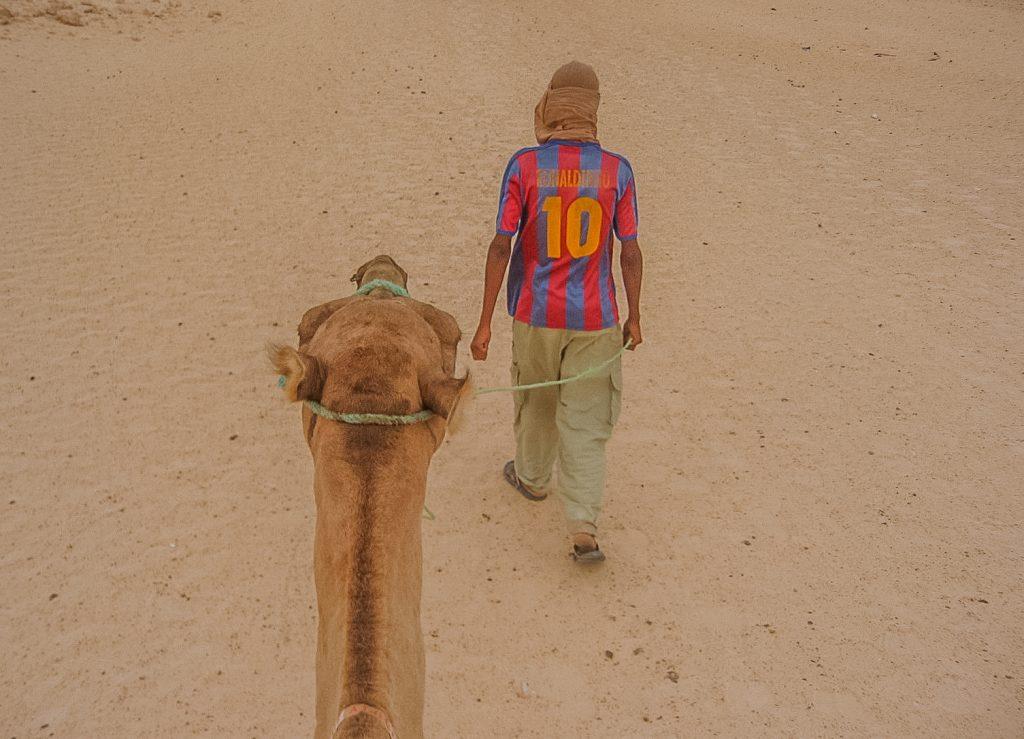
In the desert regions, a distinct Amazigh way of life developed around nomadic pastoralism. The Ait Atta, the Ait Khebbach, and other Saharan Berber confederations adapted to the harsh environment by moving with their herds of camels, goats, and sheep, following seasonal patterns of water and pasture.
This nomadic tradition is the direct ancestor of the desert culture you will encounter during your Sahara tour. Many of the guides, camp hosts, and musicians you will meet come from families that were fully nomadic only a generation or two ago.
The Pillars of Berber Hospitality
Berber hospitality is not performative or transactional. It is a deeply held cultural value rooted in the practical realities of desert life, where survival depends on mutual generosity and trust.
The Sacred Duty of the Host
In Amazigh culture, a guest is considered a blessing from God. The host is obligated to provide food, shelter, and protection to any traveler who arrives at their door, regardless of whether they know the person. This tradition dates back to the era when desert travel was perilous and a traveler’s life could depend on the kindness of strangers.
When you visit a Berber home or camp, you will be welcomed with a warmth that feels both genuine and effortless. This is not an act for tourists. It is simply how things are done.
The Three Glasses of Tea
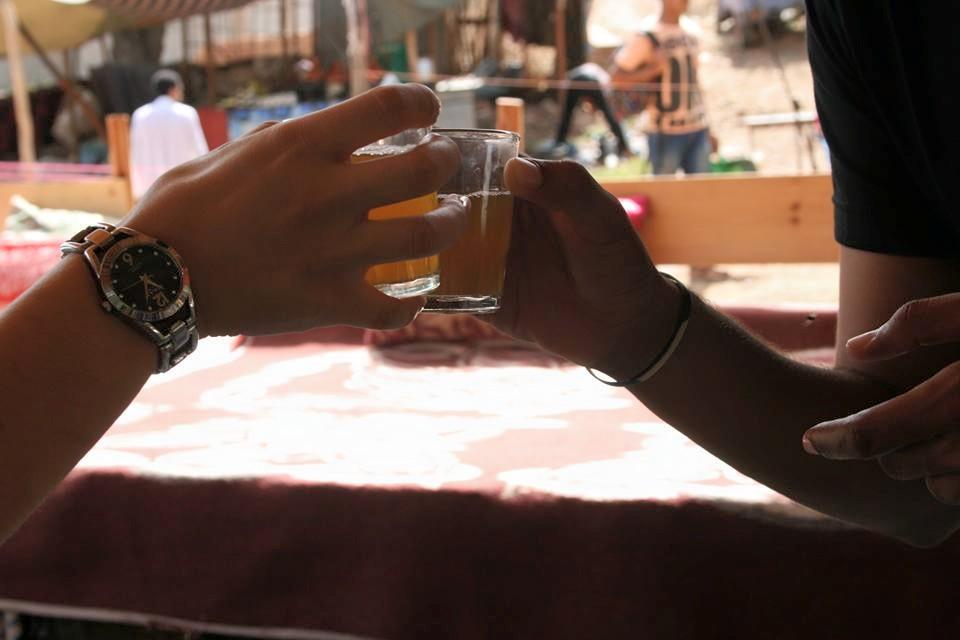
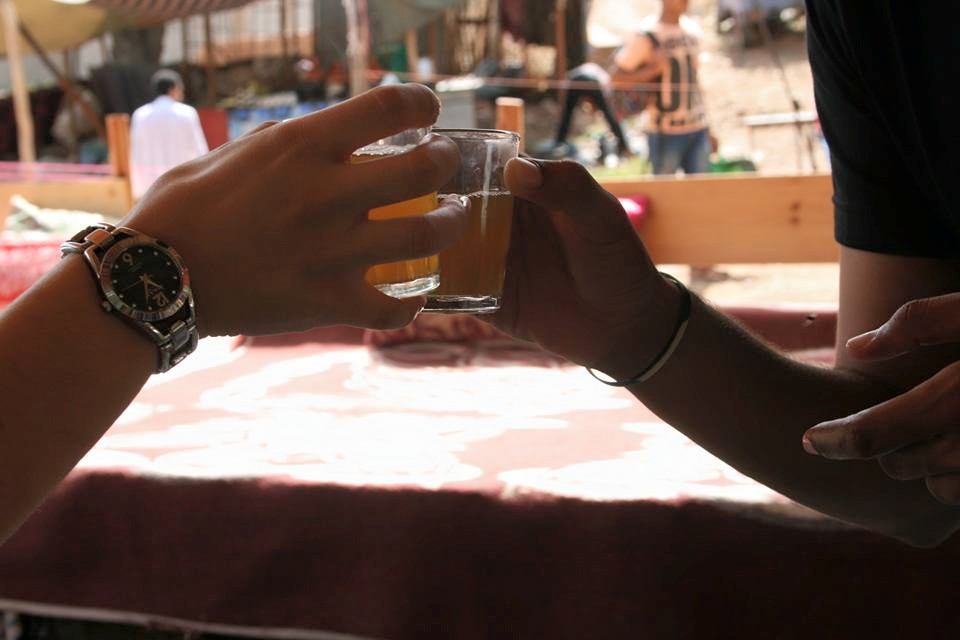
No discussion of Berber hospitality is complete without the tea ceremony. Moroccan mint tea, known locally as “atay,” is prepared with green tea leaves, fresh mint, and a generous amount of sugar. The preparation and pouring of tea is a ritual that carries symbolic meaning.
Traditionally, three glasses are served, and a well-known proverb describes their significance: the first glass is gentle like life, the second is strong like love, and the third is bitter like death. Whether this exact saying is observed in every household varies, but the practice of serving multiple glasses is nearly universal.
The tea is poured from a height to create a froth on the surface, and the host typically tastes the first cup to ensure quality before serving guests. Accepting tea is an important gesture of respect. To decline is not considered rude in most situations, but accepting at least one glass is a way of honoring the relationship between host and guest.
Communal Meals
Berber meals are almost always communal. Food is served in shared dishes, and everyone eats together. In traditional settings, you eat with your right hand (the left hand is considered unclean in Islamic culture), using bread as a utensil to scoop couscous, tagine, or other dishes.
During your desert tour, you will likely share meals with your guides and fellow travelers around a low table or on blankets spread on the sand. This communal style is not about saving dishes. It is about reinforcing bonds of community and equality.
Music and Oral Tradition
The Amazigh have a rich musical tradition that serves as both entertainment and cultural memory. In a society where writing was not widely used for everyday communication, music and poetry carried history, moral lessons, love stories, and spiritual devotion from generation to generation.
Traditional Instruments
Several instruments are central to Berber music:
- The bendir: A large frame drum made of goat skin stretched over a wooden hoop. It produces a deep, resonant sound that forms the rhythmic foundation of most Berber music.
- The guembri (also sentir): A three-stringed bass lute used primarily in Gnawa music. Its deep, hypnotic tones are associated with spiritual and healing ceremonies.
- The rabab: A one-stringed fiddle played with a bow, used in Amazigh music of the Atlas Mountains and desert regions.
- The taarija: A smaller, goblet-shaped drum that produces higher-pitched rhythms.
Desert Music Traditions
In the Sahara, the musical tradition is intimately connected to nomadic life. Songs tell of long journeys across the dunes, the search for water, the beauty of the desert at different times of day, and the relationships between people and their camels.
During your desert camp experience, you will almost certainly hear live music around the campfire. Your guides and camp staff may play drums, sing call-and-response songs, and invite you to join in. This is one of the highlights of any desert tour, and the music sounds entirely different when experienced under a canopy of stars with the dunes rising silently behind you.
Explore our activities page to see which tours include dedicated music and cultural experiences.
Daily Life in the Desert
Understanding how people live in the Sahara helps you appreciate the landscape and the culture on a deeper level.
Nomadic and Semi-Nomadic Life
While fully nomadic families are now rare, many Saharan Berbers maintain a semi-nomadic lifestyle, moving between settlements seasonally. They may live in a village during the winter months and move to desert grazing areas with their herds during spring and autumn.
Traditional desert dwellings include the khaima, a tent made from woven goat and camel hair that is remarkably effective at regulating temperature. These dark tents absorb heat during the day and retain warmth at night, and their structure allows air to circulate freely. You may sleep in a modern version of the khaima during your desert camp stay.
Water and Survival
Water is the most precious resource in the Sahara. Traditional knowledge of well locations, seasonal water sources, and underground streams (khettara) has been passed down through generations and remains vital for desert communities.
The traditional irrigation system known as the khettara, a network of underground channels that brings water from mountain aquifers to the surface, is an engineering achievement that dates back at least a thousand years. Some of these systems are still in use today near Merzouga and throughout southeastern Morocco.
Craftsmanship and Art
Amazigh craftsmanship reflects both practical necessity and artistic expression. Key traditions include:
- Carpet weaving: Each region has its own distinctive patterns and techniques. Berber carpets are not merely decorative; the symbols woven into them carry meaning related to fertility, protection, and identity. Buying a carpet directly from a weaving family during your trip supports this living tradition.
- Jewelry making: Silver jewelry is a hallmark of Amazigh culture. Traditional pieces often feature geometric patterns, coral, amber, and enamel work. Jewelry serves as both adornment and portable wealth, especially important for nomadic families.
- Pottery: In the Rif Mountains and other regions, Berber pottery features distinctive geometric patterns painted in natural pigments.
- Leather work: Tanning and leather crafting have been practiced for centuries, producing bags, sandals, and decorative items.
What to Expect During a Berber Homestay
Many desert tours include an overnight stay in a Berber village or family home. This is one of the most rewarding parts of the journey, but it helps to know what to expect.
The Welcome
You will be greeted at the door, often by the women of the household, and shown to a sitting area furnished with cushions and low tables. Tea will appear almost immediately. You may be offered dates, almonds, or amlou (a paste made from argan oil, almonds, and honey).
The Meal
Dinner in a Berber home is typically a tagine, slow-cooked over charcoal in the iconic conical clay pot. Lamb, chicken, or vegetables are stewed with preserved lemons, olives, saffron, and other spices. Couscous is served on Fridays, as is traditional across Morocco.
The meal is a communal affair. You will sit on the floor around a shared dish and eat with your hands (or a spoon if you prefer). Your hosts will ensure you eat well, often encouraging second and third helpings.
Sleeping Arrangements
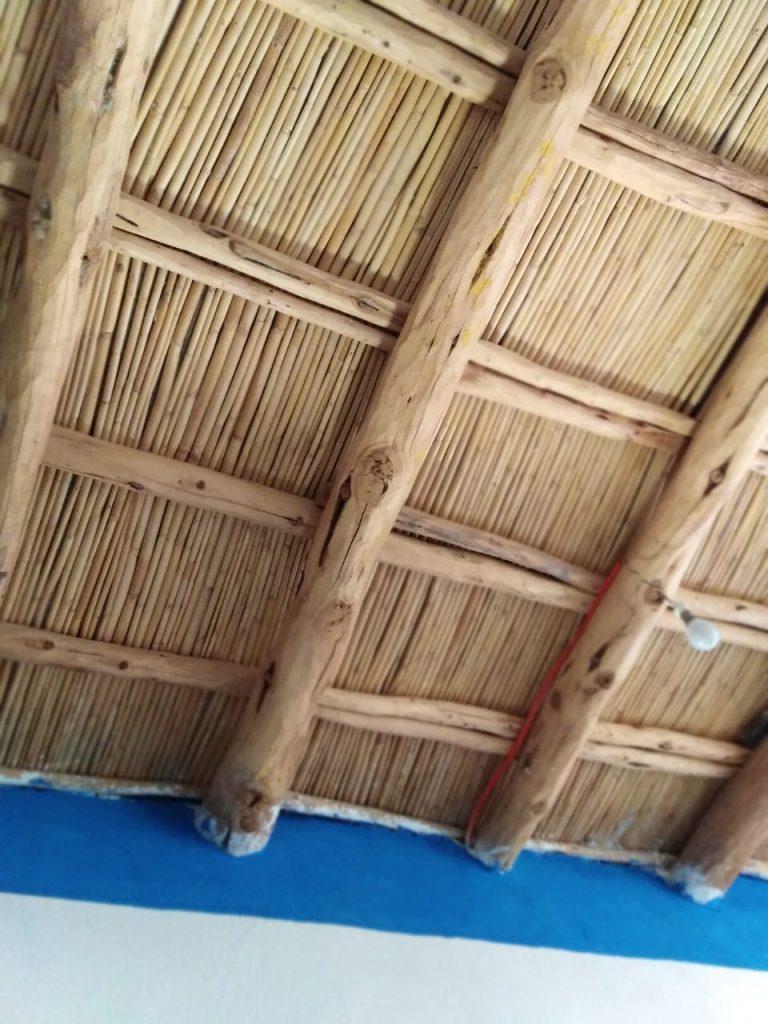
Accommodation in a family home is typically a room with mattresses or thick blankets on the floor, piled with woven textiles. It is simple but comfortable and warm. In some homes, you may sleep on a rooftop terrace under the stars, which is an unforgettable experience in its own right.
Etiquette Tips
- Remove your shoes before entering the living areas.
- Accept food and tea graciously. You do not need to finish everything, but refusing outright can be perceived as impolite.
- Ask before photographing people, especially women. Most families are happy to be photographed, but consent matters.
- Dress modestly, particularly in rural areas. Loose, long clothing is respectful and practical.
- A small gift is appreciated but not expected. Useful items for the household or school supplies for children are more thoughtful than cash.
The Role of Women in Berber Society
Amazigh society has historically afforded women a more prominent role than many neighboring cultures. In traditional Berber communities, women are the keepers of the home, the primary weavers, and the custodians of oral tradition. The mother’s lineage carries significant weight in some Amazigh groups, and women have historically held influence over family decisions.
In the desert regions, women’s roles have been shaped by the demands of nomadic life. While men traditionally managed the herds and external trade, women managed the camp, raised children, and produced the textiles, butter, and other goods essential for daily survival.
Today, Amazigh women in Morocco are active in education, business, and the arts, while many also maintain traditional practices. Women’s weaving cooperatives, in particular, have become important economic drivers in rural communities, producing carpets and textiles for domestic and international markets.
Language: A Living Connection
The Amazigh language family, collectively called Tamazight, encompasses several dialects across Morocco:
- Tarifit: Spoken in the Rif Mountains of northern Morocco.
- Tamazight: The Middle Atlas dialect, which lends its name to the broader language family.
- Tashelhit (Tashilheet): Spoken in the High Atlas and Souss regions, it is the most widely spoken Berber dialect in Morocco.
- Hassaniya: While technically an Arabic dialect, it is spoken by the desert communities of southern Morocco and reflects centuries of cultural blending.
In the Saharan regions around Merzouga, you will hear a mix of Tamazight and Arabic, along with French and increasingly English among younger people. Learning a few Amazigh phrases before your trip is a wonderful way to show respect and will earn you warm smiles.
Useful phrases:
- Azul (Hello)
- Tanmirt (Thank you)
- Is labas? (How are you?)
- Labas (I am fine)
- Ar tufat (Goodbye / See you tomorrow)
Responsible Cultural Tourism
Visiting Berber communities comes with a responsibility to engage respectfully and contribute positively.
Support Local
Buy handicrafts directly from artisans, eat at family-run restaurants, and choose tour operators that employ local guides and invest in community development. At Duna Daurada, our guides are local Berbers who share their own culture and heritage with genuine pride.
Be a Guest, Not a Spectator
Engage with the people you meet. Ask questions. Share stories about your own life. The exchange goes both ways, and your hosts are often as curious about you as you are about them.
Respect Boundaries
Some aspects of Berber life are private. Religious practices, family dynamics, and certain customs are not for tourist consumption. Follow your guide’s lead on when to observe and when to participate.
Preserve the Environment
The desert is a fragile ecosystem. Take all rubbish with you, avoid disturbing wildlife, and respect water sources. The Berber relationship with the land is one of careful stewardship, and visitors should follow the same principle.
Experiencing Berber Culture with Duna Daurada
Our desert tours are designed to immerse you in Berber culture rather than simply showing it to you from a distance. Our local Berber guides share their personal stories, teach traditional skills, and welcome you into their communities as genuine guests.
Whether you want a brief cultural encounter or a deep, multi-day immersion, we can design a custom tour that matches your interests. From learning to prepare traditional bread baked in desert sand to spending an evening learning drum rhythms around a campfire, the cultural dimension of a Sahara tour is often what travelers remember most vividly.
Have questions about cultural experiences or want to discuss your ideal itinerary? Get in touch with our team. We are happy to help you plan a trip that is both adventurous and culturally meaningful.
Final Thoughts
The Berber people of the Sahara are not a relic of the past. They are a living, evolving culture that has adapted to profound changes over millennia while maintaining a core identity rooted in hospitality, community, and a deep connection to the land.
When you sit around a campfire in the Sahara, sharing tea with your Berber hosts, listening to music that has echoed across these dunes for centuries, you are participating in one of the oldest and most generous traditions of human hospitality. That experience, more than any dune or sunset, is the true treasure of the Moroccan Sahara.