
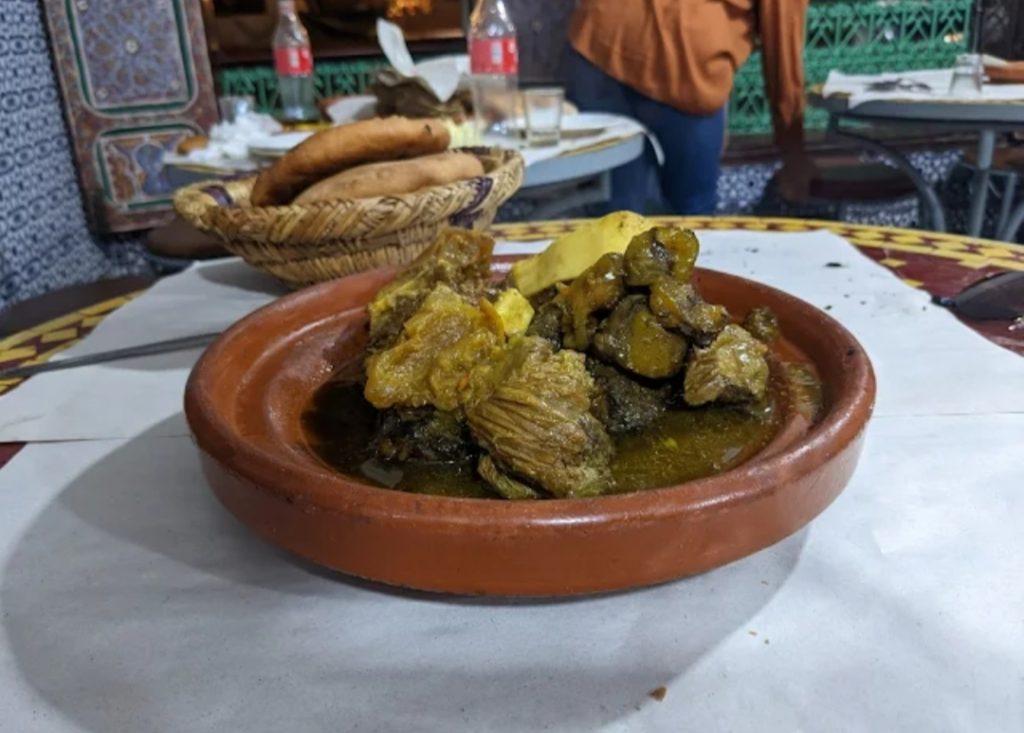
Moroccan cuisine is one of the most celebrated in the world, and for good reason. It is a kitchen built on centuries of cultural exchange, where Berber, Arab, Andalusian, and French influences have blended into something entirely unique. The flavors are bold yet balanced, the spices are aromatic without being overpowering, and every meal is prepared with a sense of care and tradition that elevates eating from a necessity to a ritual.
For travelers heading into the Sahara Desert, food becomes an integral part of the journey. From the bustling food stalls of Marrakech to the candlelit dinners served at desert camps under a canopy of stars, what you eat in Morocco tells the story of the country as vividly as its landscapes and architecture. This guide will take you through the essential dishes, dining customs, and culinary experiences that every desert traveler should know.
The Foundation: Spices That Define Moroccan Cooking
Understanding Moroccan food begins with understanding its spice cabinet. Moroccan cooking relies on a carefully curated palette of spices that give its dishes their distinctive character.
The Essential Spice Blend: Ras el Hanout
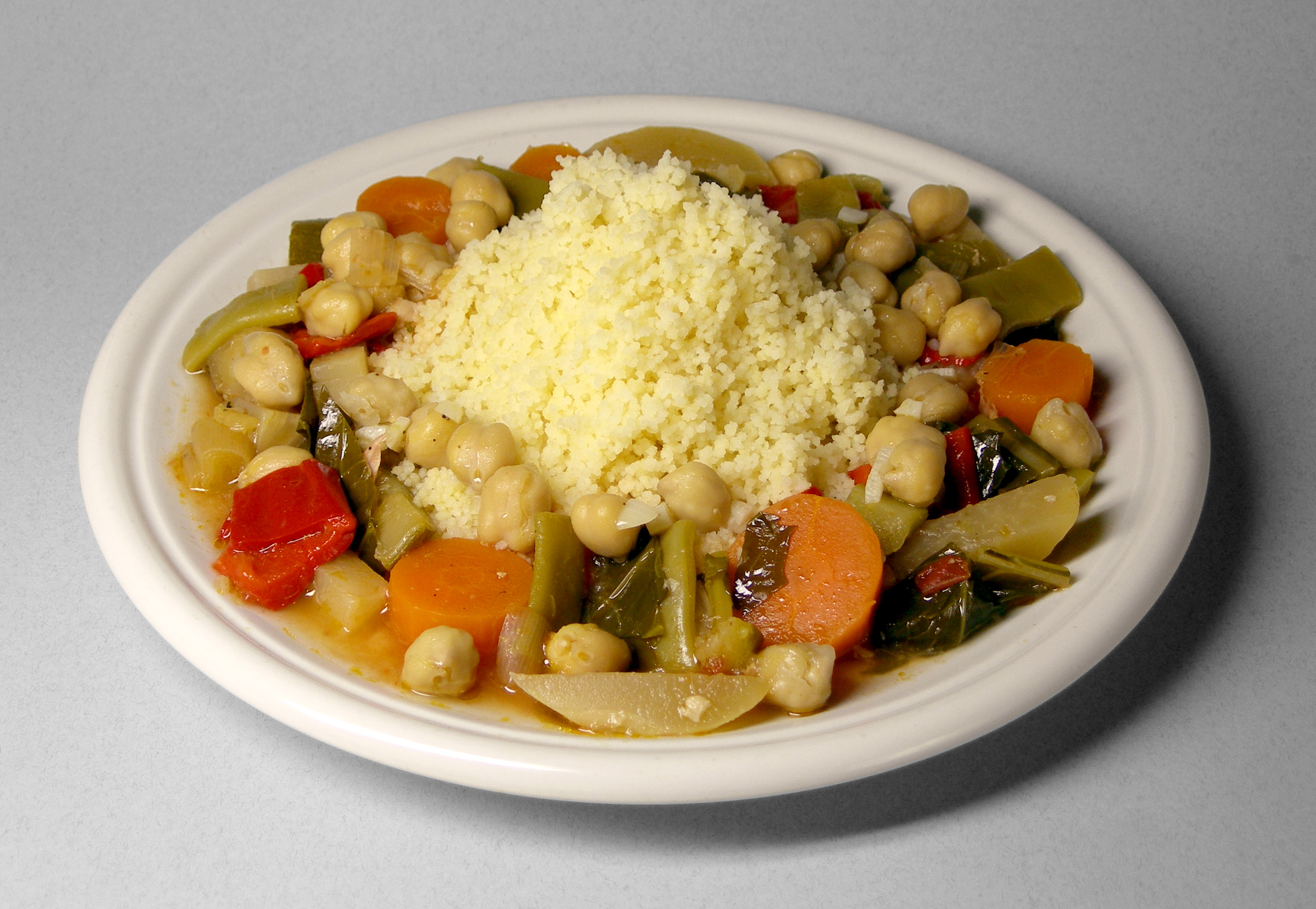
Ras el hanout, which translates roughly as “head of the shop,” is Morocco’s signature spice blend. Every spice merchant has their own recipe, but the mix typically includes cumin, coriander, turmeric, cinnamon, black pepper, ginger, cardamom, nutmeg, clove, and sometimes rose petals or lavender. The result is a warm, complex, and deeply fragrant blend that forms the backbone of many Moroccan dishes.
Other Key Spices and Ingredients
Beyond ras el hanout, Moroccan cooks rely heavily on cumin (the single most commonly used spice in the country), saffron (particularly prized in the Taliouine region), paprika, ginger, and cinnamon. Preserved lemons and olives add brightness and depth to tagines and salads, while harissa, a fiery chili paste, provides heat for those who want it.
Fresh herbs play an equally important role. Flat-leaf parsley and cilantro appear in virtually every savory dish, and fresh mint is the essential ingredient in Morocco’s beloved national drink.
Iconic Moroccan Dishes Every Traveler Must Try
Tagine: The Heart of Moroccan Cooking
The tagine is both a cooking vessel and the dish prepared within it. The conical clay pot traps steam and returns it to the ingredients, creating intensely flavored, slow-cooked stews that require no added water. The result is tender meat, perfectly cooked vegetables, and a concentrated sauce that demands to be mopped up with bread.
The most popular tagine varieties include chicken with preserved lemons and olives, a bright and tangy combination that is perhaps the most iconic Moroccan dish. Lamb or beef with prunes and almonds offers a sweet and savory experience that perfectly illustrates the Moroccan love of combining fruit with meat. Kefta tagine features spiced meatballs simmered in a rich tomato sauce, often with eggs cracked on top during the final minutes of cooking. Vegetable tagines with seasonal produce, chickpeas, and aromatic spices provide excellent options for plant-based eaters.
You will encounter tagine everywhere during your travels in Morocco, from roadside restaurants to luxury desert camps. Each region puts its own spin on the dish, making it worth ordering at every stop.
Couscous: The Friday Tradition
Couscous holds a sacred place in Moroccan culture. Traditionally served on Fridays after midday prayers, it is a communal dish that brings families together around a single large platter. The tiny semolina granules are steamed multiple times until they achieve a light, fluffy texture, then mounded and topped with a stew of vegetables, chickpeas, and meat.
The classic Moroccan couscous features seven vegetables, a combination that varies by region and season but often includes carrots, turnips, zucchini, cabbage, pumpkin, onions, and tomatoes. The dish is served family-style, with everyone eating from the shared platter using their right hand or a spoon.
While you can find couscous on restaurant menus throughout the week, experiencing a traditional Friday couscous in a Moroccan home or a family-run guesthouse is one of the most authentic culinary experiences the country offers.
Pastilla: The Festive Masterpiece
Pastilla (also spelled bastilla or b’stilla) is a remarkable dish that encapsulates the Moroccan genius for combining sweet and savory flavors. Traditionally made with pigeon, though chicken is now more common, it consists of shredded meat mixed with a lemon-egg sauce and ground almonds, all wrapped in layers of paper-thin warqa pastry and dusted with powdered sugar and cinnamon.
The contrast between the crispy, sweet exterior and the savory, aromatic filling is extraordinary. Pastilla is considered a celebratory dish and is typically served at weddings, festivals, and special occasions, but many restaurants in cities like Fez and Marrakech serve it regularly. A seafood version, popular in coastal cities like Essaouira, replaces the poultry with shrimp, fish, and Chinese noodles.
Harira: The Comforting Soup
Harira is a thick, hearty soup made from tomatoes, lentils, chickpeas, and small pasta or vermicelli, enriched with fresh herbs and spices. It is the traditional soup served to break the fast during Ramadan, but it is enjoyed year-round as a starter or light meal.
For desert travelers, harira is often served as the first course at dinner in desert camps and roadside restaurants along the route to the Sahara. Its warming, nourishing quality makes it the perfect start to an evening meal after a day of travel or camel trekking.
Mechoui: Whole Roasted Lamb
Mechoui is a traditional Berber preparation in which a whole lamb is slow-roasted in an underground clay oven for several hours until the meat becomes impossibly tender and falls from the bone at the slightest touch. The exterior develops a crispy, golden crust seasoned with cumin and salt.
This is a communal feast dish, often prepared for celebrations and large gatherings. In the desert, mechoui may be prepared for special occasions or larger group dinners at luxury camps. It is typically eaten with the hands, pulling tender pieces of meat directly from the bone.
Desert Dining: What to Expect on Your Sahara Tour
Meals during a desert tour are one of the most pleasantly surprising aspects of the experience. Despite being in one of the most remote environments on earth, the quality and variety of food served at desert camps is impressive.
Meals at Desert Camps
Dinner at a desert camp is a carefully orchestrated affair. A typical evening meal begins with Moroccan salad selections, small plates of cooked vegetables seasoned with cumin, olive oil, and fresh herbs. This is followed by harira or another soup, a main course tagine or grilled meat, bread, and a dessert of fresh fruit or Moroccan pastries.
The food is prepared by camp cooks who work with fresh ingredients brought in from nearby towns. Despite the remote setting, the meals are authentic, flavorful, and generous. Most camps can accommodate dietary restrictions and allergies with advance notice.
Breakfast in the desert is equally satisfying. Expect a spread of Moroccan pancakes including msemen (layered, flaky flatbread) and baghrir (spongy semolina pancakes with a thousand tiny holes), along with bread, butter, local honey, jams, cheese, olives, hard-boiled eggs, fresh orange juice, and plenty of mint tea and coffee.
Roadside Restaurants Along the Desert Route
The journey from Marrakech or Fez to the Sahara passes through towns and villages where roadside restaurants serve excellent, freshly prepared Moroccan food. These are not tourist traps but genuine local eateries where the tagines have been simmering since morning and the bread comes straight from the oven.
Common stops include Ouarzazate, the Dades Valley, and Tinghir, all of which have restaurants offering panoramic views alongside their menus. The food is typically simple but superb: tagines, grilled meats, salads, and fresh bread, all at very reasonable prices.
When you book a tour with Duna Daurada, meal stops are carefully selected to ensure you experience the best local cuisine at every stage of your journey.
Moroccan Tea Culture: More Than a Drink
No discussion of Moroccan food is complete without addressing the central role of mint tea. Known locally as atay or “Berber whiskey,” Moroccan mint tea is far more than a beverage. It is a symbol of hospitality, friendship, and social connection.
The Preparation Ritual
Moroccan mint tea is prepared with Chinese gunpowder green tea, large bunches of fresh spearmint, and a generous amount of sugar. The tea is brewed in a special teapot, then poured from a height into small glasses. This pouring technique, often from a distance of 30 centimeters or more, aerates the tea and creates a light froth on the surface.
The tea is tasted and adjusted, then poured back and forth between the pot and glasses until the preparer is satisfied with the flavor. It is then served to guests, who are expected to accept at least one glass as a matter of courtesy. Refusing tea in Morocco is considered impolite, and the ritual of preparation and service is an important social gesture.
Tea in the Desert
In the Sahara, tea takes on even greater significance. Your Berber guides will prepare tea at virtually every pause in the journey, whether at a rest stop during a camel trek, on top of a dune at sunset, or around the campfire after dinner. The desert version is often stronger and sweeter than what you might find in cities.
Watching your guide prepare tea over a small fire in the sand, using just a pot, some glasses, and a handful of ingredients, is one of those simple but profoundly memorable moments that define a Sahara experience.
Street Food and Market Eating
Morocco’s cities offer some of the most exciting street food scenes in the world. For travelers spending time in Marrakech, Fez, or other cities before or after their desert adventure, exploring the street food is essential.
Marrakech: Jemaa el-Fna and Beyond
The famous Jemaa el-Fna square in Marrakech transforms every evening into one of the world’s largest open-air dining experiences. Rows of stalls set up with benches and tables serve everything from grilled meats and fresh seafood to snail soup, sheep head, and Moroccan-style sandwiches.
Beyond the square, the medina is filled with hole-in-the-wall eateries serving specific specialties. Look for tangia, a slow-cooked meat dish unique to Marrakech that is prepared in a special urn-shaped clay pot and traditionally cooked in the embers of a hammam furnace. Street vendors selling freshly squeezed orange juice, roasted almonds, and chebakia (sesame and honey cookies) are found on nearly every corner.
Fez: The Culinary Capital
Many Moroccans consider Fez to be the true culinary capital of the country. The ancient medina is home to restaurants and food stalls that have been operating for generations. Fez is particularly known for its refined pastilla, its slow-cooked trid (a dish of shredded msemen layered with chicken and lentils), and its exceptional pastries.
The food markets in Fez are also more traditional and less tourist-oriented than those in Marrakech, offering a more authentic glimpse into Moroccan food culture.
Cooking Classes: Taking the Flavors Home
For food lovers who want to go deeper, taking a Moroccan cooking class is one of the best ways to engage with the cuisine. Many riads and cooking schools in Marrakech and Fez offer half-day or full-day classes that typically include a visit to a local market to buy ingredients, followed by hands-on instruction in preparing several dishes.
These classes cover the fundamentals of Moroccan cooking, including tagine preparation, bread baking, pastry making, and spice blending. They are a wonderful way to gain skills and knowledge that you can bring home, allowing you to recreate the flavors of Morocco in your own kitchen long after your trip has ended.
Dietary Considerations for Travelers
Morocco is generally accommodating to various dietary needs, though it helps to know what to expect.
Vegetarian and Vegan Travelers
While Moroccan cuisine is heavily meat-focused, vegetarian options are widely available. Vegetable tagines, couscous with vegetables, lentil soup, and salads are standard menu items. Vegan travelers may find dairy harder to avoid, as butter and cheese feature in many dishes, but with clear communication most restaurants and camp kitchens can prepare vegan meals.
Gluten-Free Dining
Bread is central to Moroccan meals and is used as a utensil for eating tagines and scooping up sauces. Gluten-free travelers should communicate their needs clearly, as wheat-based couscous, bread, and pastries are served at nearly every meal. Rice and potato-based dishes are available as alternatives.
Food Safety Tips
Moroccan food is generally safe, but travelers should follow basic precautions. Drink bottled water rather than tap water, avoid uncooked vegetables at places where hygiene seems questionable, and choose restaurants and stalls that are busy with local customers, as high turnover means fresher food.
Planning Your Culinary Desert Adventure
The best way to experience Moroccan cuisine is as part of a thoughtfully planned journey that balances city exploration with desert adventure. Starting in Marrakech or Fez gives you access to the full range of Moroccan culinary culture, while the journey to the Sahara introduces you to regional specialties and the unique joy of desert dining.
At Duna Daurada, we understand that food is an essential part of the travel experience. Our desert tours include carefully selected meal stops, authentic camp dining, and opportunities to engage with local food culture at every stage. If you have specific dietary needs or culinary interests, we can customize your tour to include cooking classes, market visits, and food-focused experiences.
A Taste That Stays With You
Moroccan cuisine has a way of lingering in the memory long after the trip is over. The warmth of a perfectly spiced tagine, the sweetness of mint tea shared with new friends in the desert, the satisfaction of tearing fresh bread and dipping it into a rich sauce under a sky full of stars: these are experiences that nourish more than just the body.
Food in Morocco is an act of generosity, a way of welcoming strangers and celebrating life. For desert travelers, it adds a layer of richness to an already extraordinary journey, transforming meals into memories and flavors into stories worth telling.
Explore our desert tours and discover a journey where every meal is an adventure in itself. Or get in touch with our team to start planning a trip that feeds your appetite for both adventure and exceptional food.